
Want perfect breast contours but don’t know which Korean plastic surgery clinic to choose? This article provides in-depth analyses of real cases from MD Plastic Surgery Clinic in Korea, covering everything from breast augmentation with implants to composite breast enhancement procedures. It includes detailed information on costs, postoperative recovery, and testimonials from three actual patients. If you are considering breast surgery in Korea, this article is definitely worth reading.
Case studies from MD Plastic Surgery Clinic: Why do women around the world prefer Seoul’s Gangnam area for breast surgery?
MD Plastic Surgery Clinic (엠디외과의원) is located in Sinnyeong-dong, Gangnam-gu, Seoul—a “golden location” for cosmetic surgery in Korea, home to some of the country’s top medical institutions. Since its opening in 2001, the clinic has accumulated over 20 years of expertise in breast surgery, having performed more than 12,000 procedures. It is one of the most highly regarded and experienced clinics in this field.
The main reasons to choose MD Plastic Surgery Clinic are as follows:
- Specializing in breast surgery for over 20 years: Unlike other general plastic surgery clinics, MD Plastic Surgery Clinic has focused solely on breast procedures since its inception. Its surgeons possess advanced skills and extensive experience.
- The highest number of breast surgery cases in Korea: With an average of over 600 surgeries per year, this clinic is the most active specialized center for breast surgery in the country.
- Comprehensive Chinese-language service: We provide full-time Chinese translators to ensure smooth communication throughout the entire process, from consultation to follow-up care—no language barriers!
- Transparent fees with no hidden charges: The quoted prices include all costs related to the surgery, anesthesia, implants, and postoperative follow-ups—no additional fees will be added.
Information on breast augmentation procedures at MD Plastic Surgery Clinic: How to choose between teardrop-shaped and round implants?
MD Plastic Surgery offers a variety of breast augmentation options, tailored to individual body types, needs, and budgets. The main procedures include:
1. Implant-based breast augmentation (the most popular)
Implant-based breast augmentation is MD Plastic Surgery’s primary procedure. The operation takes approximately 1.5 to 2 hours and uses silicone implants approved by the Korean Food and Drug Administration (KFDA). There are two main types of implants:
- Droplet-shaped implants: These imitate the natural shape of the breast and are suitable for women with little natural breast tissue who desire a natural look. They provide a good sense of fullness after surgery and are less noticeable.
- Round-shaped implants: The upper part of these implants is more voluminous, making them ideal for women who want a more pronounced breast augmentation effect. They offer a good visual result from the front.
There are several incision options: underarm (where the scar remains hidden in the armpit), areola (where the scar is located at the edge of the nipple), or around the inframammary fold (where the scar is beneath the breast). The doctor will recommend the most suitable option based on your body type. The cost of implant-based breast augmentation at MD Plastic Surgery ranges from 3.5 to 4.8 million Korean won (approximately 18,000 to 25,000 RMB).
2. Fat transfer breast augmentation
This procedure is suitable for women with a slightly higher body fat percentage who do not want to use implants. Autologous fat is extracted from the waist, thighs, or buttocks, purified, and then injected into the breasts to achieve a natural-looking augmentation. The advantage of this method is that it uses the patient’s own fat, so there is no risk of rejection. However, the increase in breast size is usually limited, typically ranging from 0.5 to 1 cup size, and the fat absorption rate is around 30% to 40%.
3. Combined breast augmentation (implants + fat transfer)
Combining breast augmentation with fat transfer, this procedure first involves placing an implant to increase the basic volume of the breasts, followed by using autologous fat to fill in the upper areas, resulting in a more natural and full-looking breast shape. This is suitable for women who have poor breast contour or thin skin.
Real case sharing from MD Plastic Surgery Hospital in Korea: 90-day progress of a 32-year-old Taiwanese woman after breast augmentation

Basic information: Mei Jing, 32 years old, from Taipei, 162 cm tall, 52 kg in weight, with a bra size A before the surgery.
Consultation process: Mei Jing read about real cases shared by Taiwanese and Hong Kong users on REDnote about their experiences at MD Plastic Surgery Hospital, which led her to decide to visit Korea for a consultation herself. She had a detailed 1-hour consultation with the director, which included 3D simulations, comparisons of implant textures, and evaluations of incision locations. Based on her rib width and pectoral muscle thickness, the director recommended a 255cc droplet-shaped silicone implant, with an incision under the armpit and placement beneath the pectoral muscles (dual-plane technique).
Surgical procedure: She was admitted to the hospital at 8 am on the day of the surgery and underwent general anesthesia. The operation took 1 hour and 45 minutes, and she was observed in the recovery room for 3 hours before being transferred to her ward. The total cost of the surgery, including the implant, was 4.2 million Korean won.
Post-surgery recovery schedule:
- Day 1 after surgery: There was noticeable swelling in the upper chest area; the breasts felt firm but there was no severe pain, only mild discomfort. The hospital provided painkillers and anti-inflammatory medications.
- Day 3 after surgery: She was able to get out of bed and walk slowly; the swelling had decreased slightly, but the breasts still appeared somewhat elevated. The hospital arranged for the first dressing change and follow-up appointment.
- Day 7 after surgery: She returned to Taiwan. The stitches had healed well, and she was advised to avoid strenuous exercise and not raise her arms above her shoulders.
- 30 days after surgery: The swelling has significantly reduced, and the implants have begun to descend to their natural position. I have started wearing bra with steel rings to help shape my breasts.
- 90 days after surgery: My breast shape has stabilized; my cup size has increased from A to C+. The result looks natural, and no one at work noticed that I had surgery.
Mei Jing’s experience: “My biggest concern before the surgery was that my breast shape might look unnatural, but that worry is completely gone now. The doctors at MD Plastic Surgery Hospital were very attentive; they spent a lot of time understanding my expectations before the procedure and followed up carefully afterward. The only thing to note is that I did feel some discomfort in the first month, but following the doctor’s instructions, my recovery went smoothly. Overall, I am very satisfied with my experience at MD Plastic Surgery Hospital in Korea.”
Real case sharing: 28-year-old Chinese woman shares her experience with composite breast augmentation
Basic information:化名 Xiao Lin, 28 years old, from Shanghai, 165 cm tall, 48 kg in weight. Before the surgery, her breast size was B cup, but her breasts were flat with noticeable indentations.
Surgical plan: Xiao Lin chose a composite breast augmentation procedure. She had 280 cc round implants placed, and approximately 80 cc of her own fat was harvested from her abdomen and injected into the upper part of her breasts (at the 12 o’clock position) to address the issue of sharp edges and give her breasts a more rounded and full appearance.
Cost breakdown:
- Round implants (two): 1.8 million Korean won
- Surgical fee and anesthesia cost: 2.2 million Korean won
- Additional fee for fat transfer: 600,000 Korean won
- Total: Approximately 4.6 million Korean won (about 24,000 RMB)
Half-year follow-up: Xiao Lin returned to MD Plastic Surgery Hospital for a routine check-up 6 months after the surgery. The director gave high praise to the recovery of her breast shape, confirming that the implants were firmly in place and that the fat survival rate was around 35%. The overall results were better than expected. She has now reached a D cup, with a full and natural breast shape that has greatly changed her clothing choices.
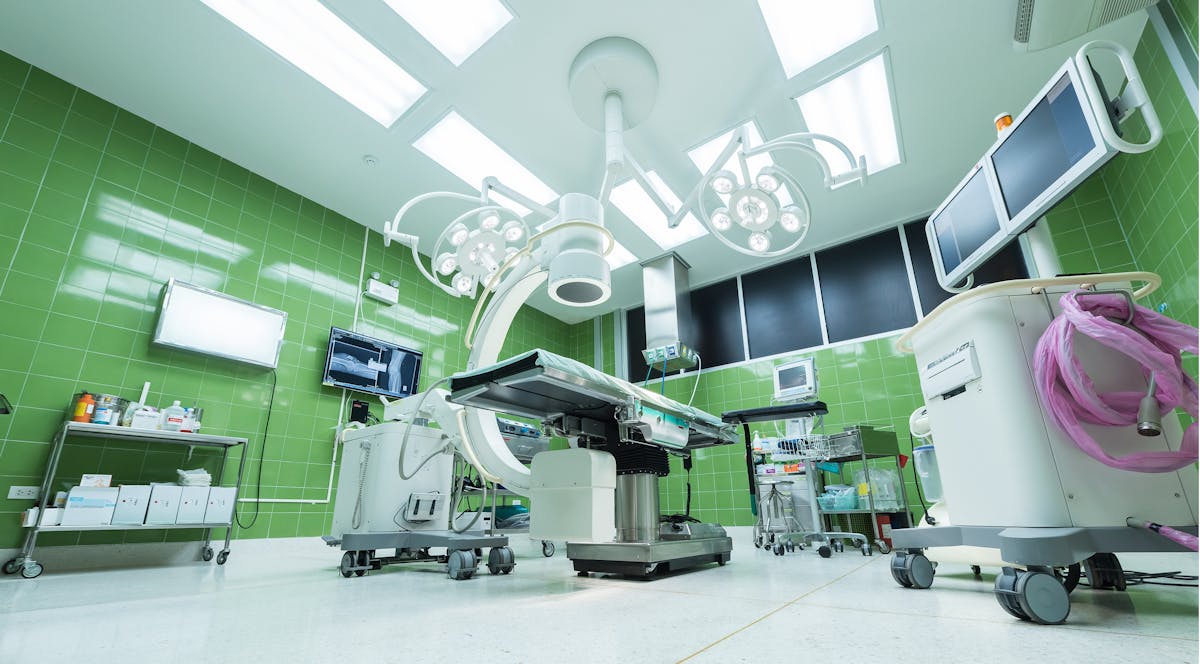
Xiao Lin’s review: “The composite breast augmentation is more expensive than a pure implant procedure, but the results are significantly different. Especially, the creases above the breasts have completely disappeared, so I no longer worry about looking like something is stuffed inside when wearing low-cut clothes. The equipment at MD Plastic Surgery Hospital is very modern, and the operating room feels much more professional compared to the hospitals I visited in Taiwan.”
Real case sharing from MD Plastic Surgery Hospital in Korea: The entire process of breast lift surgery for a 35-year-old woman who has given birth

Basic information:化名 Ying Ying, 35 years old, from Hong Kong. After giving birth, her breasts sagged significantly, and her nipples were positioned lower. She was confused because traditional breast augmentation could not address the sagging issue.
Diagnosis: After examination, the director diagnosed her with “grade II breast sagging” and recommended a mastopexy. Depending on the degree of sagging, the “anchor scar” technique was used, along with the insertion of 230 cc implants to enhance breast volume.
Characteristics of the surgery: Mastopexy is more complex than simple breast augmentation. The operation usually takes 2.5 to 3 hours, and the recovery period is relatively longer. MD Plastic Surgery Hospital uses “internal fixation suturing” to ensure that the elevated breasts maintain their position over time, reducing the risk of future sagging.
Key points for postoperative recovery:
- After the surgery, it is necessary to wear a medical breast brace for at least 3 months, 24 hours a day.
- For 6 weeks after the surgery, avoid lifting your arms more than 90 degrees.
- Scar care should be continued for 6 to 12 months, using scar patches or laser treatment to reduce the appearance of scars.
- One year after the surgery is the time when the scars will finally settle; by then, they are usually barely noticeable.
Ying Ying’s experience: “After giving birth, I really lacked confidence in my chest shape and even found wearing a swimsuit very uncomfortable. After having breast augmentation, I felt that my overall presence had changed completely. The doctors at MD Plastic Surgery Hospital were very thorough; they explained the risks and outcomes of each step to me before the surgery, which helped me feel much more at ease. There are indeed scars, but after a year, they have faded so much that they are almost invisible when wearing a bikini.”
A detailed guide to the entire process of breast surgery at MD Plastic Surgery Hospital in Korea, from consultation to postoperative follow-up.

If you are planning to undergo breast surgery at MD Plastic Surgery Hospital in Korea, here is a complete outline of the medical process:
- Online consultation (1-2 months before travel): Submit photos and questions through the official website, WeChat, or KakaoTalk. MD Plastic Surgery Hospital will assign a dedicated Chinese-speaking consultant to respond and provide preliminary advice and cost estimates.
- On-site consultation on the day of arrival in Korea: A detailed face-to-face consultation will include an assessment of your breast shape, skin elasticity tests, measurements of muscle tissue thickness, 3D simulation diagrams, and the selection of implant materials.
- Preoperative examinations (the day after the consultation): Routine blood tests, electrocardiograms, allergen tests, and other preoperative checks are conducted to ensure that the surgery can be performed safely.
- On the day of the surgery: Arrive at the hospital on an empty stomach at 7:30 am, change into surgical attire, and undergo an assessment by an anesthesiologist. The surgery is performed under general anesthesia, followed by approximately 3 to 4 hours of observation in the recovery room.
- Postoperative hospital stay for observation (1 day): The dressing is changed the day after the surgery, and the doctor checks the wound to ensure there are no complications before discharge.
- 7 to 10 days after the surgery: The stitches are removed, and it is safe to return to Taiwan or mainland China. It is recommended to purchase medical insurance to cover any subsequent expenses.
- Follow-up visits 30, 90, 180 days, and 1 year after the surgery: Follow-ups can be conducted via remote video, or you can visit Korea in person. MD Plastic Surgery Hospital offers one year of free follow-up services.
Key points for postoperative care after breast surgery in Korea: How to ensure a smooth recovery at home?
Many patients are concerned about how to provide proper postoperative care at home after returning to Taiwan or mainland China. Here are the key points for postoperative care provided by MD Plastic Surgery Hospital:
Dietary considerations
- For the first month after the surgery, avoid spicy foods, alcohol, and high-salt foods to prevent exacerbation of swelling.
- Consuming more high-protein foods such as eggs, fish, and tofu can help promote wound healing.
- Drinking enough water daily (it is recommended to consume more than 2,000 ml) can help reduce swelling after the procedure.
Dress appropriately and follow the relevant precautions for activities.
- Continue wearing a medical compression bra without wire for 3 months after the surgery to help maintain the position of the implant.
- Avoid pressing on the chest for 6 weeks after the surgery to prevent the implant from shifting.
- It is safe to resume high-intensity activities such as swimming and aerobic exercise only 3 months after the surgery.
- Side sleeping or sleeping face down should be avoided for 3 months after the surgery; it is recommended to sleep on your back during this period.
Wound care is essential.
- After returning to Taiwan, continue to clean the wound daily with saline solution and keep it dry.
- Start using scar gel or silicone patches 6 weeks after the surgery and continue using them for 6 to 12 months.
- Avoid exposing the wound directly to sunlight, or apply high-SPF sunscreen on the scar.
Korea MD Plastic Surgery: Common Questions and Answers about Breast Procedures – 10 Important Things to Know Before You Go

Q1: Which brand of implants does MD Plastic Surgery use?
A: We primarily use approved KFDA brands such as Motiva (pink ribbon implants) from Korea, Allergan Natrelle, and Mentor from the United States. Patients can choose their preferred brand during the consultation, and the costs vary depending on the brand selected.
Q2: How many days does hospitalization after the surgery take?
A: For a simple breast implant procedure, patients can usually be discharged on the same day or the next day. It is recommended to rest in Seoul for 3 to 5 days before flying home to reduce the risk associated with air travel.
Q3>What are the potential risks of flying home after the surgery?
A: Flying within 7 days after the surgery may cause some discomfort due to changes in air pressure, but this generally does not affect the outcome of the procedure. MD Plastic Surgery advises patients to wait at least 3 to 5 days after surgery before flying and to move around on the plane to prevent deep vein thrombosis.
Q4: What are the advantages of having breast plastic surgery in Korea compared to Taiwan/Mainland China?
A: The cost of breast augmentation surgery in South Korea ranges from approximately 18,000 to 25,000 RMB. At the same technical level, the overall costs in South Korea are 20 to 30% lower than those in Taiwan. Moreover, South Korean plastic surgeons have strict professional standards and extensive surgical experience.
Q5: Does MD Plastic Surgery Hospital provide Chinese-language services?
A: Yes, MD Plastic Surgery Hospital has dedicated Chinese-speaking customer service staff and translators who provide comprehensive Chinese-language support throughout the entire process, from consultation to post-surgery follow-up. WeChat consultations are also very convenient.
Q6: How long do breast implants typically last?
A: High-quality silicone implants currently on the market, such as Motiva or Allergan, are theoretically designed to last for 15 to 20 years or more. However, if issues such as capsular contraction, rupture, or infection occur, they may need to be replaced. Regular follow-up visits (it is recommended to have an ultrasound examination every two years) are essential for ensuring long-term safety.
Q7: Is it possible to breastfeed after breast augmentation surgery?
A: Breast tissue and ducts are generally not affected by the surgery, especially when the incision is made under the armpit. Most patients can breastfeed normally after the procedure. However, if the incision is made near the areola, it may affect breastfeeding ability. It is recommended to inform your surgeon about your future fertility plans during the consultation.
Q8: What makes MD Plastic Surgery Hospital different from other South Korean breast augmentation clinics?
A: MD Plastic Surgery Hospital’s biggest strength lies in its focus on breast augmentation as its sole specialty. The hospital does not perform surgeries on the eyes, nose, or other areas. All its resources, equipment, and physician training are dedicated solely to breast surgery. This level of specialization gives it a competitive advantage over other general plastic surgery hospitals.
Q9: What kind of visa is required to undergo breast augmentation surgery in South Korea?
A: Taiwanese passports allow for visa-free entry to South Korea for up to 90 days; Chinese mainland passports require a tourist visa, which can usually be obtained within 5 to 7 working days. MD Plastic Surgery Hospital can provide a medical invitation letter to assist with the application.
Q10: How can I contact MD Plastic Surgery Hospital to schedule a consultation?
A: You can contact us through the online consultation form, WeChat, KakaoTalk, or by phone. A Chinese-speaking customer service representative will usually respond within 1 to 2 working days. It is recommended to schedule your appointment at least 1 to 2 months in advance to ensure you get the best consultation time.
Summary on Breast Surgery at MD Plastic Surgery Hospital in South Korea: Final Recommendations and Precautions Before Choosing
Based on the sharing of three real cases and the overall evaluation of MD Plastic Surgery Hospital, here are our final recommendations for women considering breast surgery in South Korea:
- Be sure to have a face-to-face consultation in Seoul: Photo consultations can only provide preliminary advice; a personal assessment of your body type is necessary to determine the most suitable implant and procedure for you.
- Don’t just focus on the cost; consider the doctor’s experience: Breast surgery is a complex procedure. Choosing a doctor with extensive experience in this field is far more important than saving a few tens of thousands of dollars.
- Provide complete information about your medical history: This includes allergies, chronic diseases, and whether you are taking any anticoagulant medications to ensure the safety of the surgery.
- Keep all post-surgery documents: This includes the consent form, implant size labels, and post-operative instructions, as they will be very useful for follow-up visits in Taiwan or mainland China.
- Set realistic expectations: It takes 3 to 6 months to see the final results after breast surgery. Don’t worry too much about initial swelling or the position of the implant.
Korea’s MD Plastic Surgery Hospital has become the top choice for many women from Taiwan, mainland China, and Hong Kong who wish to undergo breast surgery in Korea, thanks to its over 20 years of expertise in breast plastic surgery, a wealth of real case studies, excellent Chinese-language services, and transparent fee structures. If you are ready, please feel free to contact our Chinese customer service through this website to arrange a consultation and appointment with MD Plastic Surgery Hospital, ensuring a smooth and worry-free experience for your medical treatment in Korea.