
“How much does it actually cost to get a skin care treatment at Doctors?” Have you ever experienced this when doing your research—looking up prices online only to find that the same service can have prices that vary by several times across different sources, making it hard to know who to trust? This is because many of those prices aren’t up-to-date, don’t reflect the same rates in South Korea and China, don’t include tax refunds, and may not even refer to full-face treatments but rather “trial prices” instead. In today’s 2026 updated version of Doctors’ Dermatology price list, you’ll find price ranges for all major services, from basic care to advanced anti-aging treatments, along with comparisons between prices in South Korea and China and the actual cost after tax refunds—all based on publicly available data showing equal pricing in both regions. I’m not here to tell you the lowest price—instead, I want to help you spend your money wisely, choose the right treatments, and avoid going to the wrong clinic 👇

In short: Basic care by doctors costs around 30,000–150,000 KRW (150–750 RMB), phototherapy treatments range from 250,000–1.2 million KRW (1,250–6,000 RMB), while tightening and anti-aging procedures cost 450,000–4.5 million KRW (2,250–22,500 RMB). With prices identical to those in China plus on-site tax refunds, the actual cost is 40–50% lower than at home.
I. Price List for Doctors in South Korea: Overview of the Pricing System
1. Price Range: Doctors Dermatology falls into the mid-to-high-end price category in Gangnam District. It’s 15–25% more expensive than regular GP clinics, but 30–50% cheaper than top-tier private clinics. The price covers consultations by specialized dermatologists, state-of-the-art equipment, personalized one-on-one care without mass treatment protocols, and assistance from a full-time Chinese-speaking clinic director.
2. Price influencing factors: The price differences for the same treatment at different clinics stem from four key factors: doctor’s expertise (specialist vs. general practitioner), equipment brand (original vs. counterfeit), treatment scope (full face vs. localized area), and volume/dose (adequate amount vs. reduced amount). Doctors at this clinic adhere to the highest standards across all these aspects, which keeps their prices within a reasonable range compared to similar clinics.
3. Same Price in China and South Korea + Tax Refund: Doctors enforces a strict policy of equal pricing across China and South Korea, with all prices clearly displayed. After your treatment, you can get a tax refund right at the clinic (around 7–10%), resulting in an actual price even lower than the listed amount. All prices listed below are the pre-refund rates.
🃏 Doctors Dermatology | Get Quotes & Schedule at BeautsGO
- 💰 Same price in China and South Korea — transparent pricing with online rates matching the fees at the clinic
- 🏥 Choose between the main clinic in Apgujeong and the VIP International branch in Banpo!
- 👨⚕️ Dual-lead team — procedures performed personally by Dermatology specialists
- 📱 Check the latest real-time prices via BeautsGO
II. Price List for Doctors in South Korea: Basic Care Services (30,000–150,000 KRW)
1. Microbubble Cleaning (30,000–80,000 KRW, approximately 150–400 RMB): This is the most basic skin care treatment, ideal for daily cleansing and maintenance. It uses specialized equipment to remove oil and dead skin cells from within the Pores, leaving the skin feeling instantly clearer. Doctors’ microbubble cleaning service employs original equipment with adjustable water pressure and suction, ensuring it doesn’t damage the stratum corneum like cheaper clinics do.
2. Hydration Treatment/Glow Injection (50,000–150,000 KRW, approximately 250–750 RMB): This is considered a “must-do” treatment among basic hydration procedures in South Korea. Doctors use high-frequency ultrasound devices to deliver active ingredients deep into the skin, achieving 3–5 times better results compared to applying serums manually. It’s especially ideal for addressing skin dryness, peeling, and poor makeup adherence during seasonal changes.
3. Acne Management/Soothing Care (80,000–200,000 KRW, approximately 400–1,000 RMB): A specialized treatment designed for people with acne-prone or sensitive skin, offering deep cleansing, anti-inflammatory soothing effects, and barrier repair. Doctors boasts a well-equipped lineup of devices and products for this service, making it an excellent starting point for those trying Korean skincare treatments for the first time.
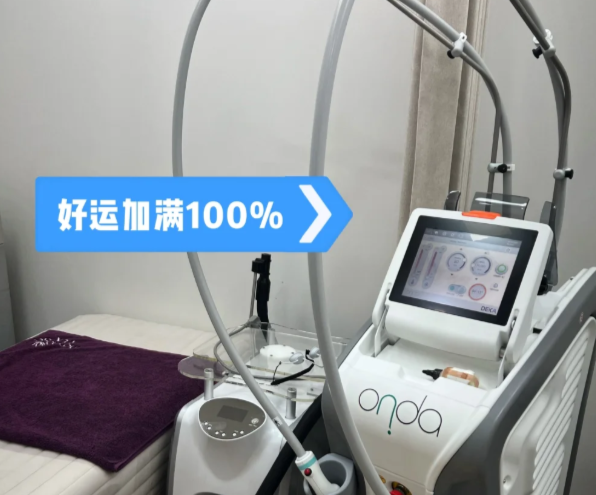
III. Price List for Doctors in South Korea: Phototherapy Treatments (250,000–1.2 million KRW)
1. Pico laser spot removal (300,000–800,000 KRW per session, approximately 1,500–4,000 RMB per session): One of the key strengths of Doctors. The Picoway/PicoSure devices used are all genuine original equipment, with energy parameters adjusted on-site by the clinic director based on your skin tone and type of spots. Typically, 2–4 sessions are required for a complete treatment course, with an interval of 4–6 weeks between sessions. This price range is considered normal for clinics equipped with original devices in Gangnam.
2. Photorejuvenation/IPL (250,000–600,000 KRW per session, approximately 1,250–3,000 RMB per session): This all-in-one treatment helps improve uneven skin tone, reduce visible capillaries, and achieve Pore tightening. It’s ideal for customers who don’t have specific skin concerns but want to enhance their overall skin quality. Doctors uses originally imported photorejuvenation equipment with a wide range of filters, allowing practitioners to select the appropriate wavelength based on individual skin issues.
3. CO2 Laser Resurfacing (500,000–1.2 million KRW per session, approximately 2,500–6,000 RMB per session): A powerful treatment designed to address acne scars, enlarged Pores, and deep wrinkles. While the recovery period is relatively long—about 5–7 days until scabs form and fall off—the results are highly noticeable. Professionals use precise control over the laser energy, allowing them to adjust the intensity based on your tolerance and desired recovery time.
IV. Price List for Doctors in South Korea: Injection Treatments (80,000–800,000 KRW)
1. Hyaluronic acid injection (80,000–300,000 South Korean won per session, approximately 400–1,500 RMB per session): This is the most popular basic injection treatment in South Korea. Doctors uses genuine, original-grade medications for its hyaluronic acid injections, with QR codes available on-site for authenticity verification. Prices vary depending on the ingredients used (standard hyaluronic acid injection or those enhanced with whitening/anti-aging components).
2. Rejuran injections (150,000–400,000 KRW per session, approximately 750–2,000 RMB per session): This is a premium brand originating from South Korea, using PN (polynucleotides) as its key ingredient to promote deep-level skin repair and anti-aging effects. Doctors at these clinics use authentic Rejuran products, with the injection depth and dosage carefully determined by the clinic director based on an in-person consultation.
3. Filler injections (200,000–800,000 South Korean won per area, approximately 1,000–4,000 yuan per area): This service includes filling in areas such as Tear trough correction, Nasolabial Fold Correction, the chin, and Apple Zone. Doctors use genuine Filler products certified by South Korea’s KFDA, with injections performed personally by the clinic director.
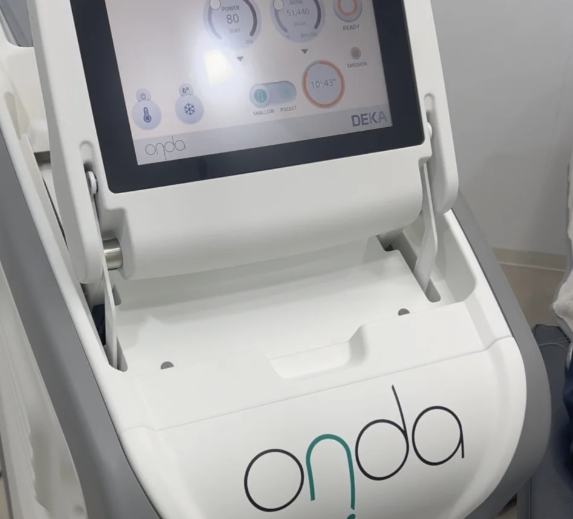
V. Price List for Doctors in South Korea: Firming and Anti-Aging Treatments (450,000–4.5 million KRW)
1. Thermage FLX full-face treatment (1.5–3 million KRW, approximately 7,500–15,000 RMB): The Thermage FLX used by Doctors is the latest model from the manufacturer, equipped with AccuREP intelligent energy technology and a Total Tip 4.0 probe. The price includes a sufficient number of treatments—around 600–900 sessions for the entire face, depending on the area—so there’s no risk of insufficient treatment sessions. In China, similar-grade devices cost around 20,000–35,000 RMB for a full-face treatment, while Doctors’ pricing is only 40–50% of that amount.
2. US-version Ultherapy full-face treatment (800,000–2,000,000 KRW, approximately 4,000–10,000 RMB): This treatment delivers deep lifting effects by targeting the SMAS fascia layer. Doctors use the original US-version Ultherapy equipment, which features real-time imaging capabilities, allowing them to monitor the depth of energy application and adjust parameters on the fly. Compared to blind manipulation, this approach offers a significant improvement in both safety and precision.
3. Titanium Lifting/Inmode Platinum Ultrasound Gun (450,000–1.5 million KRW, approximately 2,250–7,500 RMB): This next-generation skin tightening device delivers more precise energy, less discomfort, and a faster recovery time. It’s ideal for clients under 35 with mild to moderate skin sagging, serving as an anti-aging maintenance treatment or as a complementary therapy alongside Thermage or ultrasound lifting.
VI. Price List for Doctors in South Korea: Director’s Techniques and Equipment — The Core Value Behind the Prices
1. The same equipment can yield vastly different results depending on the doctor performing the treatment—this is the most overlooked yet crucial factor behind price differences. Even with the same Thermage FLX device, there’s a significant difference in performance between specialized dermatologists and general practitioners who have switched to this treatment. This difference lies in the personalized adjustment of energy parameters, optimal distribution of treatment pulses, and targeted enhancement of key areas. Both directors at Doctors are board-certified dermatologists with the expertise to fine-tune settings based on individual skin types—a service you simply won’t find at cheaper clinics.
2. The authenticity and version of the equipment determine the maximum effectiveness of the treatment: Many low-cost clinics use “Oligio” or “imitated HIFU” devices to replace original equipment and cut costs. These devices can only deliver 50–70% of the actual energy output of the original models, resulting in significantly reduced efficacy. Moreover, their unstable performance may even cause burns. All Doctors’ equipment is genuine original product, with QR code verification available on-site—this is the cost of safety already included in the price.
3. Cost difference due to insufficient number of shots/doses: Some clinics use low prices by reducing the number of shots or doses—for example, a cheap “full-face Thermage” treatment may actually involve only 300–400 shots (when the standard should be 600–900 shots), or dermal fillers are administered at half the recommended dose. Doctors, on the other hand, strictly follow the standard protocols without cutting corners or skimping on quality.
VII. Price List for Doctors in South Korea: Price Comparison Between China and South Korea — Why Choose South Korea for Procedures?
1. Differences in equipment costs: Even when it comes to genuine original equipment, clinics in South Korea incur lower depreciation and maintenance costs compared to those in China. This is due to the larger scale of the medical aesthetics market, more efficient equipment circulation, and lower import tariffs. These cost advantages are directly reflected in the prices.
2. Competitive Landscape: There are over 30 Dermatology clinics in just one neighborhood of Gangnam. Intense market competition forces these clinics to maintain reasonable pricing. In first- and second-tier cities back home, the cost of similar-level equipment along with specialized doctors is usually 2–3 times higher than in South Korea.
3. Comprehensive comparison: The prices at Doctors are approximately 40–50% lower than those of similar clinics in China (which offer specialized doctors and original equipment). Taking the Thermage FLX full-face treatment as an example, the cost at Doctors is around 1.5–3 million Korean won (7,500–15,000 RMB, even less after tax), while similar treatments in China cost around 20,000–35,000 RMB. The price difference is more than enough to cover round-trip flight tickets and accommodation.
VIII. Price FAQ for Doctors in South Korea: Common Customer Questions (Real Conversations)
Q: Are these prices up to date? Could they change upon arrival? A:
The prices listed above are based on the same pricing for Korean and Chinese treatments published by Doctors on the BeautsGO platform in 2026, serving as a reference range. The actual price will be determined during the consultation, but there will be no hidden charges or additional fees. “Online price = price at the clinic” is Doctors’ core principle. For the most accurate pricing, please check the real-time information on BeautsGO.
Q: How much can I get back in tax refunds? What’s the pro
cess? A: The tax refund rate is approximately 7-10% of the amount spent. For example, if you spend 1 million KRW, you’ll get a refund of around 700,000–1 million KRW, leaving you to pay roughly 900,000–930,000 KRW. Refunds can be processed at the refund kiosks inside Doctors Clinic, so there’s no need to queue at the airport. Don’t forget to bring your passport.
Q: I want to get Thermage treatment but my budget is limited. Are there any alternative o
ptions? A: Yes. If your skin sagging is mild (you’re under 35 years old), Titanium Lifting (costing around 4.5–1.5 million KRW) and the Inmode Platinum Ultrasound device offer better value for money. Although their results aren’t as long-lasting as those from Thermage, the price is only 30–50% of Thermage’s. During your consultation, ask the doctor to help you determine the most suitable option for you.
Q: Why does Pico laser treatment for freckles require multiple sessions? Can’t it be done in just one
session? A: The mechanism of Pico laser works by breaking down pigment particles so that the body can metabolize and eliminate them. Each treatment can only remove a portion of the pigmentation. Deep-seated spots (such as chloasma and nevus of Ota) usually require 2–4 sessions to show significant improvement. Attempting too aggressive a single-session treatment might actually irritate the pigments and lead to darker discoloration. Doctors’ recommendation for multiple sessions is a sign of professionalism, not an attempt to charge more.
Q: How much more expensive is the Banpo branch compared to the main clini
c? A: Some of the premium services at the Banpo branch are about 5-10% more costly than those at the main clinic, while the prices for basic treatments remain largely the same. The higher price reflects the VIP-level facilities and more private service experience offered there. If cost is a concern, you can opt for the Apgujeong main clinic—there’s no significant difference in treatment quality.
Q: What are the payment methods? Can UnionPay be used
? A: Doctors accepts cash (Korean won), credit cards (VISA/MasterCard/UnionPay), and some also accept WeChat Pay/AliPay. It’s recommended to use a UnionPay credit card as it offers more favorable exchange rates. Keep the receipt after payment for tax refund at the clinic.
🃏 Doctors Dermatology | Get Quotes & Schedule at BeautsGO
- 💰 Check the latest real-time prices for 2026 – Online price = fee at the clinic
- 📊 A clear price comparison between China and South Korea — even more affordable after tax refunds
- 👨⚕️ Dual-director team to tailor the best solution based on your budget and needs
- 📱 Get a quote and book in just 10 minutes via BeautsGO