
“What is one of the biggest concerns when considering cosmetic treatments in South Korea? It’s not the high cost or language barriers—it’s the uncertainty of knowing exactly what you’re getting for your money. Last month, I came across a Dermatology clinic called ‘Yonsei Slim’ on the BeautsGO platform. Its name was so understated that it almost sounded like a university research institute. Only after some research did I discover that its director, Park Geon-chae, is a professor at Yonsei University School of Medicine, former director of Yongin Severance Hospital, and has even served as a visiting professor at the University of Tennessee in the United States. What really surprised me was something he said himself: ‘Most hospitals have similar equipment; it’s the skills of the doctors that truly matter.’ No excessive promotion of equipment, no bundled packages, no forced recommendations—this is a clinic that truly embodies the concept of ‘medical-grade’ services. So, what about Yonsei Slim Dermatology in South Korea? In short, it offers high-end treatments at reasonable prices. The director personally examines and performs the procedures, with a focus on face slimming, tightening, and lifting. It’s the kind of clinic that focuses on practical results without any unnecessary hype. Below, I will elaborate on this clinic from five aspects: its director’s background, technical capabilities, customer reviews, price transparency, and the consulting environment👇
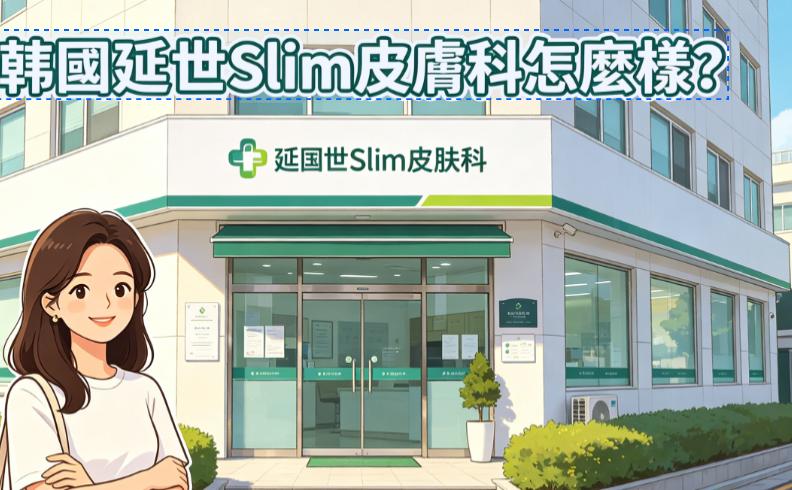
I. What about Yeonsu Slim Dermatology in South Korea? The underlying logic behind its high-end positioning
1. The medical system of Seoul National University provides substantial endorsement; it’s not just a nominal affiliation but genuine strength: The name “Yeonsie Slim Dermatology” is not chosen arbitrarily. It signifies that the founder, Park Geon-chae, graduated from the School of Medicine at Seoul National University – one of South Korea’s three top medical institutions, on par with Seoul National University and Korea University. He also served as a professor at the same school and the director of Yongin Severance Hospital, which is part of the Seoul National University healthcare network. This is not a brand partnership; the founder itself comes from the Seoul National University medical community.
2. Core business district in Gangnam + brand strength with 10 chain stores nationwide: The flagship Apgujeong store is located on the 4th floor of the Clinic Nine building in Nonhyeon, Gangnam, situated within South Korea’s most prestigious “Golden Triangle” area for medical aesthetics. In addition, the company operates 9 other branches across South Korea, including those in Hongdae, Busan, Bundang, Suwon, Changwon, Gimhae, Kondae, Seongnam, and Busan Centum City. With this network of 10 chain stores, it ranks as a mid-sized brand group in the Dermatology industry in South Korea, ensuring stable operations and standardized management.
3. High-end does not necessarily mean exorbitant prices; the positioning of SWOMAN Dermatology falls between general Dermatology clinics and top-tier plastic surgery hospitals. The “high-end” aspect of Yonsei Slim is reflected in the qualifications and technical expertise of its director, rather than the luxury of its facilities. This means that what you pay is for the expertise of professional doctors, not for marble decorations. The official website directly provides an Excel file containing the prices of non-medical treatment services for download, without any concealment—unlike some high-end clinics that require you to visit in person before getting a quote.
II. How about the Slim Dermatology Department at Yonsei University in South Korea? An in-depth analysis of Director Park Geon-chae’s background and experience
1. Her academic background is truly top-notch: Director Park Geon-chae graduated from the School of Medicine at Yonsei University – one of the three universities in South Korea with the highest admission requirements for medical programs. After graduation, she remained at the university as a professor and later became the director of Yongin Severance Hospital. The Severance Hospital system is one of the five major general hospitals in South Korea, and being appointed as the director of a branch hospital is in itself the highest recognition of one’s clinical and management abilities.
2. International expertise and cross-sectoral influence: President Park once served as a visiting professor at the University of Tennessee in the United States, bringing back American techniques for body sculpting and post-treatment management to South Korea. In 2011, he was invited to give a lecture on obesity treatment for civil servants of China’s Ministry of Health. He is also known in Japan as “a renowned Korean obesity clinic.” The industry has given him the title “the doctor who trains other doctors” (의사를 교육하는 의사), as many of the physicians he has trained work at major cosmetic surgery institutions in South Korea.
3. Official membership in both associations + personal involvement in the entire process: President Park is a full member of both the Korean Society of Body Contouring and the Korean Society of Aesthetic Plastic Surgery. The admission requirements for these two associations are much more stringent than those of ordinary Dermatology societies; a certain number of independently performed surgical cases must be submitted as evidence. More importantly, from the initial consultation and procedure to the post-operative follow-up, President Park personally handles everything himself, without delegating any tasks to assistants or younger doctors. He himself says, “One hospital, one doctor – responsible for everything from start to finish.”

III. How about the Slim Dermatology department at Yonsei University in South Korea? What kind of techniques are available for face slimming, tightening, and lifting?
1. Ulthrea Prime – SMAS Fascia Deep Lifting: This is currently the only HIFU device approved by the FDA that can target the SMAS fascia layer. Dr. Park’s approach involves setting different energy levels according to specific anatomical areas, rather than using a uniform setting for the entire face. For the lower half of the face (jawline, Double Chin, areas around the mouth), a 4.5mm probe is used; for the mid-face (Apple Zone, Nasolabial Fold Correction), a 3.0mm probe is employed, allowing for IPCHEA-based, layered lifting.
2. Thermage FLX – the fifth-generation Thermage: the gold standard for radiofrequency skin tightening. The new FLX model incorporates the AccuREP™ intelligent impedance matching technology, which automatically adjusts the energy output based on each individual’s skin resistance, thereby reducing the risk of burns. Dr. Park does not use a “full-face treatment” approach; instead, he focuses on three key areas: the eye area, the Nasolabial Fold Correction, and the jawline, applying multiple treatments in succession to achieve more concentrated tightening results.
3. Onda Lifting – South Korea’s new generation of dual-layer Lifting technology: Onda is a microwave Lifting device independently developed by South Korea. It can act simultaneously on both the fat layer (to dissolve localized fat) and the dermis layer (to stimulate the production of Collagen). Director Park is particularly skilled at combining Onda with Ultherapy or Thermage. First, Onda is used to dissolve fat, followed by Ultherapy/Thermage to tighten the skin, creating a synergistic effect of “fat dissolution + skin tightening” – this approach is known in South Korea’s industry as “Park’s Three-Layer Lifting Method”.
🃏 Book a consultation at Ewha Womans University Slim Dermatology Clinic (APgujeong flagship store) on BeautsGO.
IV. How about the Slim Dermatology Department at Yonsei University in South Korea? Uncovering the truth behind their approach of “not relying on fancy gimmicks”.
1. Director Park’s exact words: In an interview with South Korea’s “Yuejiao Xinwen” newspaper, Director Park clearly stated, “The equipment in most hospitals is more or less the same; what really matters are the doctors’ experience and their willingness to perform procedures manually.” This statement directly explains why Yeonsie Slim never uses the model of equipment as its main marketing focus. When you enter the clinic, you won’t find walls covered with promotional posters for various devices; instead, what you see is a comprehensive process that covers everything from initial consultations to post-operative care.
2. Reject package deals and avoid excessive treatments: Both the official website and the Gangnam Unni platform clearly state, “Unnecessary surgeries are not recommended.” This is a rather rare public commitment in South Korea’s medical aesthetics industry. Many clinics tend to bundle 3-4 treatments together under a “package price,” but at Yonsei Slim, the director will independently recommend each treatment based on your skin condition and needs after a face-to-face consultation. You can choose to undergo just one treatment or combine several of them—without any pressure from forced package sales.
3. More conservative and safer anesthesia options: Director Park prefers sedation anesthesia over general anesthesia, as the former allows patients to maintain their ability to breathe on their own, thus ensuring greater safety. This reflects a cautious approach that puts patient safety first – rather than rushing the procedure for the sake of “speed,” efforts are made to ensure that the operation is carried out meticulously and without unnecessary risks associated with anesthesia.

V. How about the Slim Dermatology department at Yonsei University in South Korea? What are the opinions regarding its facilities and the three platforms it uses for evaluation?
1. Yeoshin Deesse Platform: 9.2 out of 10 + over 200 in-depth reviews: On the South Korean Dermatology platform Yeoshin (여신티켓), Yeonsie Slim has received an overall rating of 9.2/10, based on over 200 genuine user reviews. This score places it among the top 15% of dermatology services in Gangnam District. Users frequently mentioned aspects such as “the director’s kindness and attention to detail,” “natural results,” “no excessive sales pressure,” and “excellent post-treatment care.”
2. The Gangnam언니 platform has received consistently positive reviews: On Gangnam언니, South Korea’s largest medical aesthetics information platform, Director Park Geon-chae’s personal page also receives highly positive evaluations. Internet users in South Korea generally report that “the consultations are lengthy and thorough” and that the results are “natural” – which perfectly aligns with the brand’s philosophy of “no forced recommendations, no exaggeration”.
3. Clinic Environment: The entire floor of the Clinic Nine building on Nonhyeon-ro offers complete privacy for patients. Apgujeong’s flagship clinic is located in the heart of Gangnam’s Nonhyeon-ro area, with an independent space on an entire floor to ensure confidentiality during consultations. The clinic provides consultation services in four languages—Chinese, English, Japanese, and Korean—and also offers real-time online consultations and appointments through KakaoTalk. There is a parking lot available (however, guests are responsible for their own parking fees). It only takes a 1-minute walk from Exit 4 of Apgujeong Station, making it extremely convenient for foreign patients with busy schedules.
VI. How about the Slim Dermatology clinic in South Korea? The policy of equal prices between China and South Korea, as well as the transparency of pricing.
1. The official website publicly displays the prices of non-medical insurance-covered services, with no hidden fees at all: Yeonsi Slim is one of the few Dermatology clinics in South Korea that directly provides Excel files containing the prices of non-medical insurance-covered treatments on their official website. This means that you can clearly know the price of each treatment before going there – without having to worry about encountering the classic situation where the actual cost at the clinic is twice as high as the online quote. The price list includes a wide range of treatments such as Botox, Filler, thread lifting, Lifting equipment, and body sculpting.
2. Reference prices for major treatments (subject to the official website listings; actual prices shall be confirmed during a face-to-face consultation): HIFU Ultherapy Prime costs approximately ₩800,000–1,500,000 South Korea won (about ¥4,200–7,900), depending on the number of sessions and the treatment area; Thermage FLX costs approximately ₩1,200,000–2,000,000 South Korea won (about ¥6,300–10,500); Onda Lifting costs approximately ₩400,000–800,000 South Korea won (about ¥2,100–4,200); Botox for facial slimming costs approximately ₩50,000–120,000 South Korea won (about ¥260–630); Filler injections cost approximately ₩250,000–500,000 South Korea won (about ¥1,300–2,600). All of the above prices are applicable to South Koreans; foreigners will not be charged an additional fee.
3. Comparison of actual expenses after tax refund with domestic prices: In South Korea, it is possible to obtain a VAT refund for medical beauty treatments (around 5-7%). Taking the Thermage FLX full-face treatment as an example, the cost in Yeonsie Slim is approximately ¥6,300-10,500 after tax refund, while the domestic genuine Thermage FLX full-face treatment costs around ¥15,000-25,000, resulting in a discount of 40-60%. The Ultherapy HIFU treatment costs approximately ¥12,000-20,000 in China, while after the tax refund in Yeonsie Slim, the cost is around ¥3,900-7,400, offering a savings of 60-70%. The amount saved is roughly enough for the cost of airfare and accommodation.
🃏 Quick price check for popular Lifting treatments at Yeonsi Slim
VII. How about the Slim Dermatology department at Yonsei University in South Korea? A comparison between the assembly-line approach and one-on-one consultations.
1. Director Park’s “one-person responsibility system”: Unlike some large-scale dermatology clinics in Gangnam, where 5 to 10 doctors work in shifts to see 50 to 100 patients daily, the operation model of the Yeosu Slim Apgujeong branch is clear and straightforward: one hospital, one chief director, who is responsible for everything from start to finish. In an interview, Director Park emphasized, “Changing hospitals or doctors mid-way during a Revision Surgery not only makes the procedure more complicated but also significantly reduces the effectiveness of post-operative care.” This means that the same doctor will handle your entire process—from the initial consultation to the follow-up visits. If any issues arise after the surgery, this doctor will have a complete understanding of your medical history, avoiding the embarrassment of having to explain everything to a new doctor.
2. “Non-conveyor belt” standards for consultation time and post-operative follow-up: User reviews from Yeoshin and Gangnam Unni indicate that Dr. Park’s consultation sessions generally last between 15 and 25 minutes – which is considered above average in South Korea’s Dermatology clinics (where typical consultation times are 3 to 5 minutes). After the procedure, high-frequency management treatments are provided to promote Collagen synthesis and blood circulation, thereby preventing skin sagging. This represents a closed-loop post-operative care system that does not end once the treatment is completed.
3. Comparison Table: Assembly Line Clinics vs. Yeonsi Slim:
Appointment time: At the assembly-line clinic, it takes 3–5 minutes; at Yeonsi Slim, the procedure takes 15–25 minutes.
Practitioners: At the assembly-line clinic, pro
cedures are performed by rotating doctors/assistants; at Yeonsi Slim, President Park personally performs all treatments.
Recommendation approach: At the assembly-line clinic, packag
es are bundled together with aggressive additional service recommendations; at Yeonsi Slim, independent recommendations are provided based on customer needs without any forced additional services.
Post-treatment follow
-up: At the assembly-line clinic, treatment is completed and that’s it; at Yeonsi Slim, regular post-treatment management is provided, and President Park personally conducts follow-up consultation
s.
Pricing strategy: At the assembly-line clinic, low prices are offered to attract customers, with additional charges at the site; at Yeonsi Slim, all prices are clearly listed on the official website, with no hidden fees.
VIII. How about Yeonsee Slim Dermatology in South Korea? FAQ: Common Questions from Real Customers
Q1: Director Park Jiancai sounds very impressive, but will it be difficult for me to get a appointment with her?
A: Indeed, it’s necessary to make an appointment in advance! The flagship Apgujeong store has 4 consultation days per week (closed on Wednesdays and Sundays), and the number of appointments available each day is limited. It is recommended to book through the BeautsGO platform 2–3 weeks in advance. This way, you can secure a time slot with the chief physician and also view the complete price list online. If you are on a short-term trip, you can inform the platform’s customer service of your arrival and departure dates, and they will help you arrange the most suitable appointment time.
Q2: I don’t speak Korean – will it be possible to communicate there?
A: Don’t worry at all – the Apgujeong branch of Yeonsee Slim offers services in Chinese, English, Japanese, and Korean. There is a dedicated Chinese consultation manager who will accompany you throughout the process, from reception and consultation to post-treatment guidance. You can also receive online Chinese consultations through KakaoTalk or BeautsGO. Director Park himself has experience in international communications, so he can communicate in English without any difficulties.
Q3: Should I choose HIFU or Thermage? Or should I have both treatments?
A: It depends on your main concerns. If you have sagging and loose facial skin, Ultherapy is the better option for lifting and reshaping the contours; whereas for loose skin and numerous fine lines, Thermage FLX is more suitable for tightening the skin. If you are over 30 years old and have noticeable blurred jawlines or Nasolabial Fold Correction, Dr. Park usually recommends combining both treatments – using Ultherapy first for deep lifting and then Thermage FLX for superficial tightening. However, this is not a forced combination. During the consultation, Dr. Park will use VISIA data and mirrors to show you your specific issues, and you can make your own decision based on that information.
Q4: Are the prices listed on the price sheet for foreigners or for South Koreans? Will there be any additional charges at the location?
A: The non-medical insurance price list on the official website of Yonsei Slim applies the same rates to both South Koreans and foreigners – this is a policy of the clinic, not a promotional offer. The prices displayed in the Excel file are exactly what you will pay. President Park’s brand philosophy is “honest and ethical treatment,” so there is no such thing as “higher prices for foreigners.” The only thing to note is that the prices listed on the sheet are base rates. If, during the consultation, the president determines that the number of treatments or the dosage needs to be adjusted according to your specific situation, the cost will be adjusted accordingly – and this adjustment applies equally to both South Koreans and foreigners.
Q5: Can I return to my home country on the same day after undergoing HIFU or Thermage treatment? How long do I need to rest?
A: It is possible to return home on the same day, but it is recommended to stay for at least 24 hours for observation. Both Ultherapy and Thermage FLX are non-invasive treatments; there are no incisions after the procedure, but mild redness may occur (which usually subsides within 2–4 hours). If you have undergone procedures such as thread lifting or injections, it is advised to wait 2–3 days for the bruises to fade. You can wash your face and apply makeup normally after the treatment, and it will not affect your daily activities. On the day of the procedure, Yeonsee Slim will send you a care guide via KakaoTalk (including a Chinese version). If you have any questions after returning home, you can also seek online consultation.
Q6: Who is SWOMAN Slim suitable for? And who is it not suitable for?
A: The suitable candidates are: ① Rational consumers who have specific requirements regarding doctors’ qualifications; ② People who want to undergo Lifting treatments but are wary of being pressured into purchasing additional services; ④ First-time visitors to South Korea for medical aesthetics treatments who prefer a transparent process; ⑤ Those who seek natural results rather than dramatic transformations. The unsuitable candidates include: ① People who are interested in experiencing trendy clinics (the Yonsei Slim treatment is relatively simple and unassuming); ② Individuals who are considering major surgical procedures (this service focuses on non-surgical Lifting and skin care); ③ Last-minute walk-in guests (reservations are required in advance).
IX. How about the Slim Dermatology Department at Yonsei University in South Korea? Summary and reservation recommendations
Returning to the original question: How about SWOMAN Dermatology in South Korea? My answer is straightforward: it isn’t the most luxurious Dermatology clinic in Gangnam, nor is it the one with the most aggressive marketing. But it is the kind of clinic that you would recommend to your friends after experiencing its services – because what you are buying is not just fancy decor or aggressive advertising, but 20 years of clinical experience and expert hands-on treatment by a professor at Yonsei University.
If you are planning to undergo facial slimming, tightening, and lifting treatments in South Korea in 2026, we recommend the following schedule: ① Check out the complete details and price list of the Yeonsie Slim treatment on the BeautsGO platform 2–3 weeks in advance; ② Consult online through the platform to determine the treatment package that suits you best; ③ Schedule a consultation with Dr. Park – we suggest 10:00 am, when there are fewer patients and the doctor is at his most energetic; ④ After the procedure, take 1–2 days to enjoy shopping and delicious food in Gangnam District and observe your recovery progress.
One last thing: Good cosmetic surgery is not about turning you into someone else, but about restoring your face to the condition it should have been 3 to 5 years ago. That’s exactly what Yonsei Slim does – without any fancy gimmicks, but by relying on solid medical expertise to help you “return to your original state”.