
In recent years, “going to South Korea for dermatological treatments” has become a popular choice for many people looking to combat aging and take better care of their skin. From hyaluronic acid injections and Rejuran to Thermage and HIFU, numerous individuals fly all the way to Gangnam in Seoul just to undergo these cosmetic procedures. However, after visiting over a dozen Dermatology clinics in South Korea, I found that many people facing cosmetic treatments for the first time encounter the same question: Can they really trust those standardized, mass-produced skincare clinics?
Some people find the prices affordable and the treatment efficient; others, however, feel that the results are just average or even regret having the procedure. So, **is it really not worth going to the mass-produced Dermatology clinics in South Korea? Or is it simply the case that many people choose the wrong hospitals?** In this article, I’ll share my observations after personally visiting 10 such clinics.

I. What is a pipeline-based Dermatology clinic in South Korea? Why are there so many of them in Gangnam?
If this is your first time visiting South Korea for cosmetic treatments, you might notice a very obvious trend: ther
e are an enormous number of Dermatology clinics in Gangnam, and many of these hospitals handle a staggering number of patients every day.
The so-called “assembly-line Dermatology” usually refers to hospitals of this kind:
- Focused primarily on skin care treatments (hyaluronic acid injections, lasers, skin management)
- The hospital is quite large in scale.
- There are a huge number of customers.
- Standardized treatment process
The typical process usually is:
In-person consultation → Treatment plan design → Procedure execution → Aftercare
The entire process is actually very efficient; some procedures can even be completed in just about 30 minutes.
This is also why many locals in South Korea actually go to these kinds of hospitals—because:
- The prices are usually quite transparent.
- There are plenty of project options to choose from.
- It’s extremely efficient.
But the problem is that if you’re not familiar with the hospital, it’s easy to have an unsatisfactory experience.
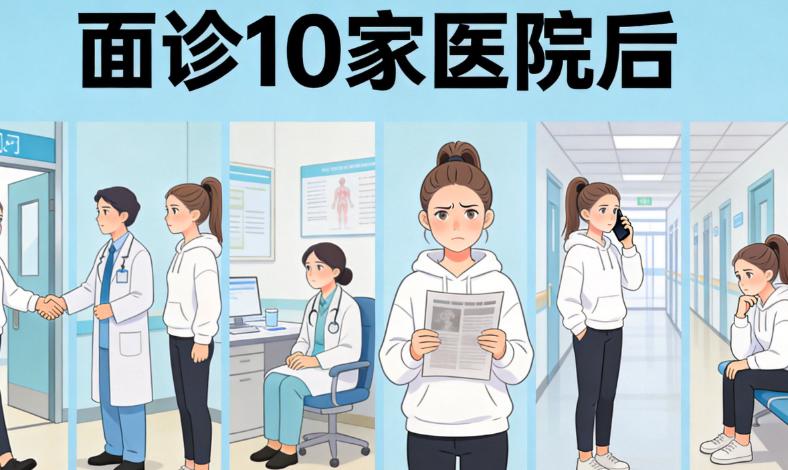
II. After visiting 10 Dermatology clinics in South Korea, I discovered 3 common mistakes many people make
While helping friends and clients schedule in-person appointments at hospitals, I realized that many people have misconceptions about Dermatology in South Korea.
Here are the three most common questions.
Trap #1: Focusing only on price while ignoring the doctor
When choosing a Dermatology clinic in South Korea, many people look at the price first.
For example:
- How much does a hyaluronic acid injection cost?
- How much does Rejuran cost?
- How much does a laser treatment cost?
Indeed, many hospitals in South Korea offer highly attractive promotional prices.
But many people overlook one thing—the eff
ectiveness of Dermatology treatments depends heavily on the doctor’s approach.
For example, the same goes for:
- Rejuran
- Hydrafacial needles
- Thermage
Different doctors can vary in the following aspects:
- Dose formulation
- Injection layers
- Treatment Options
If you simply chase low prices, it’s easy to encounter:
- The results are not noticeable.
- Short duration of effect
So what we really recommend everyone pay attention to is:
Doctor’s experience + procedure design
Instead of just looking at the price.
Pitfall #2: Not understanding your own skin issues
Many people who come to South Korea for cosmetic procedures for the first time aren’t really sure what they actually need.
For example, some people are simply:
- Dry skin
- Uneven skin tone
Instead, they went straight for many anti-aging treatments.
But in fact, medical beauty treatments should be:
Problem-focused
For example:
- Pores → Laser treatment
- Dry skin → Hyaluronic acid injection therapy
- Relaxation → Thermage
Without a thorough skin assessment, it’s easy to end up with “many treatments done, but little to no improvement.”
A good Dermatology doctor usually starts by:
- Skin Check
- Consultation
- Solution Design
Recommend suitable treatments further.
Pitfall 3: Choosing the wrong type of hospital
What many people don’t realize is that Dermatology in South Korea can generally be divided into two categories:
1. Assembly-line-style Dermatology
Features:
- Lots of options
- Affordable prices
- High efficiency
Ideal for:
- Hydrafacial needles
- laser
- Basic skin care
2. Doctor-led Dermatology
Features:
- Doctors spend more time during in-person consultations
- The plan is more personalized
- The project design is more refined.
Ideal for:
- Anti-aging
- Facial Lifting
- Comprehensive Skin Treatment
The reason many people think factory-style Dermatology clinics aren’t good is actually because:
Choosing the wrong type of hospital for oneself.

III. Is it really advisable to visit the assembly-line Dermatology clinics in South Korea?
To be honest, objectively speaking, it’s not that you can’t go to a routine Dermatology clinic.
If your need is:
- Get basic skin care done
- Try some common cosmetic procedures
- Looking for a more affordable price
In fact, many mass-produced Dermatology clinics in South Korea can fully meet these needs.
For example:
- Hydrafacial needles
- Rejuran
- Laser skin rejuvenation
These services are actually already highly developed in South Korea.
But if your need is:
- Anti-aging design
- Facial Lifting
- Personalized solutions
In that case, it’s highly recommended to choose a doctor-led Dermatology clinic.
IV. How to choose a Dermatology clinic in South Korea for better results?
If you’re planning to undergo cosmetic procedures in South Korea, there are a few key points you should keep in mind first:
1. Hospital reputation
Take a look:
- Customer Reviews
- Hospital Cases
- Doctor’s Experience
2. Doctor’s Background
Does the doctor:
- Associate degree background
- Experienced
- Has specialized areas of expertise
3. Treatment Options
Good doctors usually:
We don’t blindly recommend too many procedures.
Tailor solutions based on skin concerns
For many people visiting South Korea for the first time, the biggest issue isn’t actually the hospitals—it’s something else.
V. If it’s your first time getting medical beauty treatments in South Korea, it’s recommended to do this first.
There’s too much information — I don’t know how to choose.
There are countless Dermatology clinics in Gangnam, and if you don’t do your research ahead of time, it’s easy to get caught off guard:
- Choosing a hospital blindly
- Doing projects that aren’t right for you
So it’s highly recommended that everyone do the following before coming:
- Learn about the hospital
- View doctor cases
- Confirm item prices
This way, the entire process will go more smoothly once you arrive in South Korea.
VI. What Are the Non-Assembly-Line Dermatology Practices in South Korea?

Is it really advisable to visit the mass-produced Dermatology clinics in South Korea? Actually, there’s no absolute answer to that.
If you’re just looking for basic skin care, many chain Dermatology clinics actually offer high efficiency and transparent pricing, making them a great option to consider.
However, if you’re looking for a more personalized anti-aging treatment plan, choosing an experienced, doctor-led Dermatology practice is usually the better option.