
Almost everyone considering plastic surgery in South Korea will type these words into their search bar: “What about Dream Plastic Surgery Hospital in South Korea?” This institution, founded in 1999 and located on floors 2 to 10 of the CGV building in Apgujeong, Gangnam, Seoul, has spent 27 years establishing itself as an undeniable leader in the industry. It is widely recognized as one of the top ten plastic surgery hospitals in South Korea – with a nine-story standalone building, 20 operating rooms, over 30 specialized surgeons, and two full-time anesthesiologists on staff. Just these facts are enough to make it far surpass most other hospitals in the field. What’s more remarkable is its impeccable safety record: no medical accidents have occurred in the 23 years since its establishment, which makes it the go-to choice for many people seeking cosmetic procedures. But these days, who still believes in advertisements? In this article, we will reveal all the key details about Dream Plastic Surgery Hospital – from the background of its leadership to its facilities, from its flagship services to its pricing range, and from its actual strengths to any potential pitfalls. We’ll lay it all out clearly for you to see.
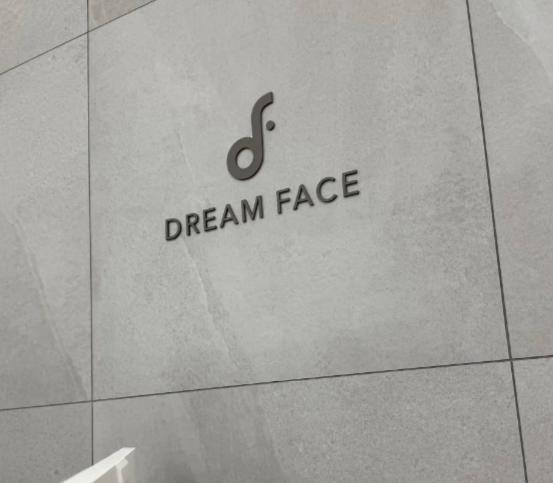
I. What about Dream Plastic Surgery Hospital? Established in 1999, it is recognized as one of South Korea’s top 10 comprehensive plastic surgery hospitals.
When considering going to South Korea for plastic surgery, the first question one must ask is: Is this hospital reliable? Does it have sufficient expertise? Or is it just another mass-produced surgical facility? Dream Plastic Surgery has provided a rather convincing answer after 27 years of experience (as of 2026).
A qualifications that can be considered a “living fossil” in South Korea’s plastic surgery industry. Dream Plastic Surgery was established in 1999. In the highly competitive Gangnam Apgujeong plastic surgery market, very few hospitals have been able to survive for 27 years and continue to expand. Not only has Dream survived, but it has also grown rapidly—entering the Shanghai market in China in 2007, opening a branch in Los Angeles in 2011, establishing a branch in Chongqing in 2016, setting up a clinic in Myanmar in 2017, and opening the W Clinic in Osaka, Japan, in 2019. Such an international expansion is a clear testament to its strength: without exceptional surgical quality and a solid reputation, it would be impossible to operate branches overseas.
2. It has consistently ranked among South Korea’s top ten comprehensive plastic surgery hospitals in various Chinese and Korean rankings of plastic surgery institutions. Unlike some “internet-famous hospitals” that gain popularity through short-term attention, Dream Plastic Surgery has built its reputation on over 20 years of experience. The entry for President Park Yang-ju in Baidu Baike further attests to its recognition in the Chinese-speaking world.
3. Endorsement from renowned celebrities and artists. Dream has maintained long-term partnerships with top South Korean entertainment agencies such as SM and JYP, and is the preferred plastic surgery hospital for numerous artists. Given the high aesthetic standards and strict privacy concerns of this group, the fact that Dream has earned their long-term trust demonstrates that it meets the highest industry standards in both technical expertise and privacy management.
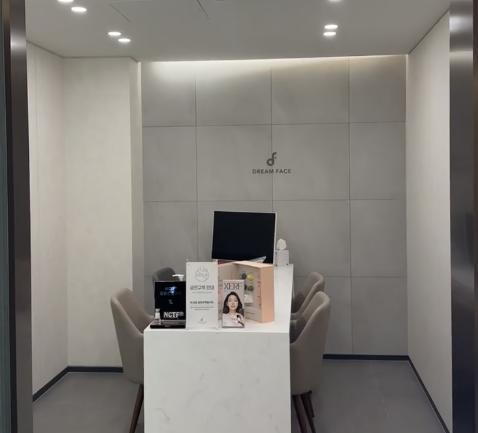
II. What is the hardware capacity of Dream Plastic Surgery Hospital? It occupies a nine-story building on floors 2 to 10 of the CGV complex, featuring 20 operating rooms—a rarity in its class.
Many people assume that plastic surgery clinics in South Korea are nothing more than “small workshops” – a doctor along with two or three nurses and two operating rooms are enough to start such a clinic. However, the facilities of Dream Dream Plastic Surgery are far enough to dispel this stereotype.
A nine-story standalone facility, this massive plastic surgery hospital is located in the Apgujeong area. Seoul I Dream is situated at 848 Nonhyeon-ro, Gangnam-gu, Seoul, within the CGV complex, occupying floors 2 to 10 in total. The functional areas on each floor are strictly designated as follows: The consultation area on floor 2 handles initial appointments and treatment plan discussions; the ward area on floor 3 provides inpatient observation and postoperative recovery services; floor 5 is dedicated to preoperative examinations, including blood tests, ECGs, and 3D imaging; floor 6 houses the main operating rooms (equipped with dual-anesthesia systems and staffed by the chief anesthesiologist on a permanent basis); floor 7 serves as the clinical treatment and skin management center; floor 9 houses the Dental department; and floor 10 is reserved exclusively for VIP International clients. This layered and zoned design ensures that patients move through the entire process—from initial consultation to surgery to recovery—in a private and efficient environment, eliminating the need for waiting in lines or being rushed through procedures in a linear fashion.
2. 20 operating rooms + a full-time director of anesthesiology – a rare configuration in South Korea at this level. Dream is equipped with 20 standard operating rooms, a number that places it among the top institutions in the country for plastic surgery. More importantly, Dream has hired a full-time director of anesthesiology to oversee all procedures – not a temporary anesthesiologist assigned on a case-by-case basis, but someone who is present throughout the entire process, from pre-operative assessment to intraoperative monitoring to post-operative recovery. For major surgeries such as contour shaping or double-jaw procedures that require general anesthesia, the safety of the anesthesia is fundamental to the overall success of the operation. Having a full-time director of anesthesiology on board is precisely what sets Dream apart from most other plastic surgery clinics.
3. Standard advanced equipment: 3D CT + UPS + four-step sterilization process. Dream is equipped with a high-precision 3D CT for pre-operative bone analysis and surgical plan simulation. The uninterruptible power supply system ensures that device failures due to power outages will not occur during surgery. The four-step sterilization process covers the entire process, from the sterilization of surgical instruments and the air in the operating room to the disinfection of medical staff’s hands and the post-operative care of wounds. These devices are not just additional features; they represent the technical foundation that has enabled Dream to maintain a record of zero medical accidents over the past 23 years.
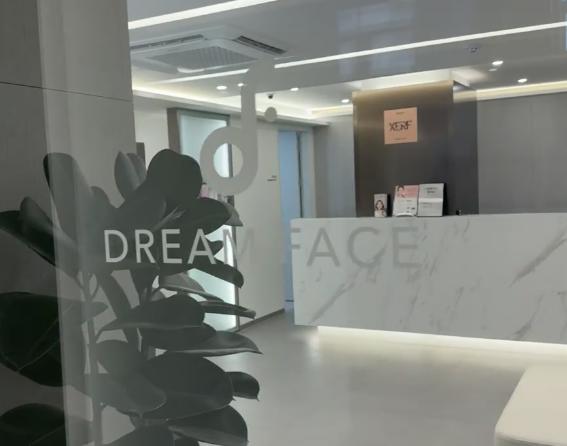
III. What about the medical team at Dream Plastic Surgery Hospital? With over 30 specialized plastic surgeons gathered together, the four core directors each bring their unique expertise to the hospital.
The final outcome of plastic surgery depends 80% on the doctor’s technical skills and aesthetic judgment. The core competitiveness of Dream Plastic Surgery lies precisely in this team of over 30 doctors.
President Park Yang-ju is a leading figure in the field of ophthalmic and nasal plastic surgery in South Korea. He holds a Doctor of Medicine degree from the School of Medicine at Seoul National University and has extensive postdoctoral research experience. With nearly 30 years of clinical experience, he has personally performed over 30,000 ophthalmic and nasal surgeries. He serves as an adjunct professor at Sungkyunkwan University School of Medicine at Samsung Seoul Hospital and a special-appointed physician in the Department of Plastic Surgery at the School of Medicine at Seoul National University. He is also a full member of both the Korean Society of Plastic Surgeons and the Korean Association of Aesthetic Plastic Surgeons.
President Park is the inventor of the “dual spiral fixation method” for Double eyelid surgery. Compared to traditional single-thread suturing techniques, this method results in more stable scars after surgery, with less risk of the stitches coming undone or loosening. His independently developed “AI facial analysis system” enables pre-surgical prediction of surgical outcomes based on quantitative data, thereby reducing communication errors. President Park adheres to three fundamental principles: he refuses to perform surgeries that are not suitable for patients, does not make excessive promises about post-surgical results, and does not recommend unnecessary procedures. Such ethical integrity is particularly rare in the field of cosmetic surgery, where some practitioners are willing to take risks or mislead patients. He has maintained long-term collaborations with entertainment agencies such as SM and JYP and is the preferred surgeon for many celebrities.
2. Dr. Kim Yong-juk, Dean of the Contour Specialist Institute at Seoul National University and a pioneer in long-curve Osteotomy techniques. Also a doctor who graduated from the School of Medicine at Seoul National University, Dr. Kim specializes in facial contour plastic surgery. His core techniques include long-curve mandibular angle Osteotomy, zygomatic bone advancement, and V-line chin shaping. The “nerve avoidance navigation system” he developed enables precise avoidance of the mandibular nerve canal during Osteotomy procedures, significantly reducing the recovery time required for numbness in the lips after surgery—from the usual 3 to 6 months. He advocates for the “dual-analysis approach” in pre-surgical planning—evaluating the facial bone structure from both frontal and lateral perspectives—to avoid secondary cosmetic issues that may result from one-size-fits-all Osteotomy techniques, and to achieve smooth, natural results that do not appear artificial.
3. Mr. Yanagawa is the director of a specialized clinic specializing in Lifting procedures and Hairline Correction. With extensive experience in the field of facial anti-aging and Lifting treatments, his core technique is the multi-layer facial lifting procedure. Unlike traditional superficial Lifting methods that only target the epidermis, his surgical approach addresses five layers of tissue simultaneously: the epidermis, the SMAS fascia layer, the buccal fat pads, the deep fascia, and the subcutaneous ligaments, ensuring a more comprehensive and lasting improvement. The results after the surgery are natural and subtle, with incisions located in areas such as the Hairline Correction zone and the ear folds, leaving almost no visible scars after recovery.
4. Dr. Choi Sung-woo, Chief Physician of the Breast Plastic Surgery Center – an authority in the fields of Breast Augmentation and breast reconstruction. Dr. Choi has dedicated many years to research and practice in areas such as implant-based Breast Augmentation, autologous fat transfer for Breast Augmentation, and breast reconstruction surgery. He places great emphasis on ensuring that the post-operative results achieve a natural appearance of the Breast, a realistic feel, and concealed incisions. As a result, he enjoys a high reputation and customer satisfaction among South Korean women seeking cosmetic procedures.
5. Over 30 specialized plastic surgeons reject the factory-line approach. In addition to four core directors with specialized expertise, Dream also employs more than 30 plastic surgeons covering a wide range of areas including eye surgery, rhinoplasty, body contouring, Breast Augmentation, liposuction, skin care, and anesthesia. The hospital explicitly commits to not adopting a factory-style model—each surgeon focuses solely on their area of expertise, ensuring that patients do not receive a “one-size-fits-all” approach where the same doctor performs procedures on different body parts in succession. This specialized division of labor is considered a high-end practice among plastic surgery hospitals in South Korea and is also the key system that enables Dream to maintain consistently high-quality surgeries.
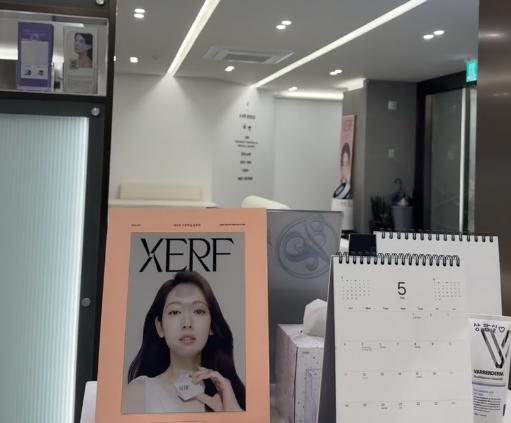
IV. What is Dream Plastic Surgery Hospital’s safety system like? The four layers of protection behind 23 years without a single medical accident
Plastic surgery is not like buying clothes; safety always comes first. The “23-year record of zero medical accidents” that Dream seoulcheil Plastic Surgery takes pride in is the result of the operation of a strict four-tier safety system.
1. The first line of defense: Full-time anesthesiologists provide continuous supervision throughout the procedure. Dream is equipped with a permanent chief anesthesiologist, rather than a part-time anesthesiologist hired on a temporary basis. From the formulation of pre-operative anesthesia plans, to real-time monitoring of vital signs during the operation, and to observation in the post-operative recovery room, the chief anesthesiologist is always on site. This is particularly crucial for contour plastic surgery (which requires general anesthesia) and double-jaw surgeries (that involve prolonged general anesthesia) – in many cases, the root cause of plastic surgery complications lies not in the surgical procedure itself, but in improper anesthesia management.
2. The second line of defense: a four-step sterilization system + a purified operating room. Dream’s surgical instruments are sterilized using high temperature and pressure; the operating room is equipped with a laminar flow air purification system to maintain a positive pressure and sterile environment; all medical staff involved in the surgeries strictly follow hand disinfection procedures; and postoperative wounds are treated with antibacterial dressings for proper care. This four-step approach effectively eliminates surgical infections, which are one of the most common complications in plastic surgery.
3. The third line of defense: Uninterruptible power supply system + precise planning using 3D CT. The operating room is equipped with an UPS uninterruptible power supply, which ensures the normal operation of surgical equipment even in the event of a sudden power outage. Before the surgery, 3D CT is used to perform millimeter-level scans and analyses of the bone structure, making the Osteotomy plan digital, visualizable, and predictable. In other words, the surgery is not conducted in a haphazard manner after opening up the body; instead, the procedure is first fully simulated on a computer.
4. The Fourth Line of Defense: 24-Hour Post-Operative Monitoring System + Global Insurance Coverage. Dream boasts a dedicated post-operative inpatient ward and a 24-hour monitoring system. After surgery, patients receive professional care in separate wards, rather than being simply sent back to their hotels to recover on their own. For international patients, Dream offers follow-up consultations and global insurance coverage, ensuring that any issues that may arise after returning home can be addressed promptly through channels such as WeChat, with direct guidance from medical professionals.
V. How about the representative projects of Dream Plastic Surgery Hospital? These five top-notch procedures are leading in Korea.
Dream Dream Plastic Surgery is not a general practice that offers everything but specializes in nothing; instead, it boasts a clear portfolio of core services, with each of these services backed by specialized directors and a wealth of successful cases.
1. Facial contour shaping (the ace of aces). The contour shaping procedure performed by Director Kim Yong-joo is Dream’s most core and signature service. This procedure involves an Osteotomy of the long curved angle of the mandible, which removes both the angle and part of the mandibular body in one go, thus avoiding the risk of secondary surgery that might result in the re-emergence of unwanted protrusions. For the internal advancement of the zygomatic bone, an intraoral incision is used, leaving no external scars, and titanium screws and plates are used for precise fixation. The V-line chin procedure optimizes the proportions of the mandibular angle, chin tip, and mandibular body as a whole, ensuring a smooth and natural lateral facial line after the operation.
2. Comprehensive plastic surgery for the eyes and nose (BYUL-level aesthetics + advanced techniques). Director Park Yang-ju’s Double helix fixation method for Double eyelid surgery uses double-threaded sutures for a more secure fixation compared to traditional single-thread methods. In terms of eye repair, he is particularly skilled at addressing issues such as overly wide or asymmetrical Double eyelids, as well as visible excess skin. For nasal surgeries, Open rhinoplasty is primarily used, with incisions made inside the nostrils to conceal scars. This approach allows for the simultaneous treatment of multiple nasal problems, including Hump nose, an overly long or drooping nose tip, and wide nostrils.
3. Facial Anti-aging Lifting (Five-layer Lifting in One Procedure): Dr. Liu Yuan’s SMAS multi-layer facial lifting technique treats five different layers simultaneously during a single operation: the epidermis, SMAS fascia, buccal fat pads, deep fascia, and subcutaneous ligaments. Compared to traditional “false facelifts” that only target the epidermis, this method results in a 3-5 times longer-lasting lifting effect. The postoperative appearance remains natural and relaxed, and the incisions are located at the Hairline Correction area and around the ears, making them virtually invisible.
4. Breast Plastic Surgery (achieving both optimal appearance and natural feel). Director Zhao Chengyou primarily recommends Manta breast implants and autologous fat transfer for Breast Augmentation, utilizing incisions under the armpit or around the areola to ensure a natural appearance and realistic feel after the procedure. Breast lift and breast reconstruction are also among the center’s areas of expertise in Dream Breast Center.
5. Body liposuction and contouring (guided by proportional aesthetics). Dream’s liposuction and contouring approach does not simply focus on removing a certain amount of fat; rather, it is guided by the principles of proportional aesthetics, designing customized fat reduction plans for areas such as the abdomen, waist, Thighs, and arms, in order to avoid the embarrassing situation where the waist becomes slimmer but the overall proportions become unbalanced.
VI. What about the prices at Dream Plastic Surgery Hospital? We maintain transparent and open pricing standards, both in China and Korea, and we refuse any form of hidden costs or invisible fees.
Dream Dream Plastic Surgery adheres to the principle of “equal prices for South Koreans and foreigners” – the pricing standards are the same for both local patients and international clients, and no inflated prices will be charged just because you are a Chinese patient. Below are the reference price ranges for some of Dream’s core services in 2026 (unit: South Korean won + RMB; these prices do not include a 10% VAT):
| Project | Korean won price | Estimated in RMB | Note |
|---|---|---|---|
| Double eyelid surgery with sutures | Starting from ¥21.0 million | Approximately ¥11,340 | Includes local anesthesia |
| Full Double eyelid surgery | Starting from ¥3.36 million | Approximately ¥19,440 | Including skin removal and fat elimination |
| Lifting the inner canthus (one side) | Starting from ¥14 million | Approximately ¥7,560 | – |
| Nasal comprehensive treatment (Silicone + ear cartilage) | Starting from ¥60 million | Approximately ¥32,400 | Including nose tip reshaping |
| Internal advancement of the zygomatic bone | Starting from ¥99 million | Approximately ¥48,600 | Fixed with titanium nails |
| Mandible Angle Reduction surgery (long-term outcome) | Starting from ¥99 million | Approximately ¥48,600 | Inpatient stay for 1 night under anesthesia |
| V-line Profile Set | Starting from ¥150 million | Approximately ¥81,000 | Jawbone + angle of the mandible + chin |
| SMAS Lifting for the Face | Starting from ¥80 million | Approximately ¥43,200 | Dr. Liu Yuan performed the surgery under the chief physician’s guidance. |
| Breast Augmentation using Manta Implants | Starting from ¥112 million | Approximately ¥64,800 | This price includes the cost of the implants. |
| Full-body liposuction | Starting from ¥7.2 million | Approximately ¥38,880 | Additional charges based on region |
Attention: The above prices are the publicly available reference rates from Dream’s official website and partner platforms. Factors such as the surgical plan, implant brand, anesthesia method, and length of hospital stay can all affect the final cost. It is essential to obtain a written quote after a face-to-face consultation to confirm the total price, including taxes, item by item.
VII. Dream Plastic Surgery Hospital vs. Other South Korean Plastic Surgery Hospitals: A comparison of strengths and weaknesses in tabular form
| Comparative dimensions | Dream Dream Plastic Surgery | Ordinary plastic surgery hospitals in South Korea |
|---|---|---|
| Date of establishment | In 1999 (at the age of 27) | Most of them were created after 2010 (within 5 to 15 years). |
| The scale of the hospital | 9-story standalone building with 20 operating rooms | Most surgeries are conducted in 1-3 operating rooms, with 2-5 rooms available in total. |
| Medical team | Over 30 specialist doctors and professionals in their respective fields | Most involve 2 to 5 doctors per 10,000 people; they serve as a kind of “universal remedy.” |
| Anesthesia preparation | The full-time director of the anesthesiology department is on-site at all times. | Part-time anesthesiologist or surgeon also taking on additional responsibilities |
| Safety records | In 2023, there were no major medical accidents. | Most of them have no publicly available safety records. |
| Ace project | Contour revision/rhinoplasty/Lifting/Breast Augmentation/liposuction | Most of them specialize in a single field. |
| Overseas services | Full translation services are available for free / Branches in five overseas countries | Most of them either don’t have Chinese translations or require additional fees. |
| Price positioning | Mid-to-high-end segment (South Korea’s first-tier market) | Focusing mainly on mid-range products |
| Reservation scheduling | For positions at the director level, the application should be submitted 4 to 6 weeks in advance. | Appointments can usually be scheduled within 1 to 2 weeks. |
| Endorsement by celebrities | Designated by SM/JYP artists | Very few star agents cooperate in this regard. |
VIII. Who is Dream Plastic Surgery Hospital suitable for? Three groups of people match it best.
Not everyone needs a hospital of Dream’s caliber. The following three groups of people will get the highest return on investment by choosing Dream:
1. Individuals who require major surgeries under general anesthesia, such as contour shaping, double chin removal, or Breast Augmentation. Such procedures place extremely high demands on a hospital’s facilities, anesthesiology safety, and the experience of the performing doctors. Dream’s configuration of 20 operating rooms, a full-time anesthesiology director, and precise 3D CT planning ensures that the risks associated with major surgeries under general anesthesia are minimized to the greatest extent possible. Especially for “irreversible” bone surgeries such as mandibular angle Osteotomy or genioplasty, choosing a hospital of Dream’s caliber and being willing to pay a higher price for additional safety is definitely worth it.
2. Those in need of Revision Surgery due to failed cosmetic procedures. Issues such as overly wide Double eyelid surgery results, misaligned nose implants, or unsatisfactory outcomes from Osteotomy can make Revision Surgery several times more challenging than the initial procedure. Director Park Yang-ju’s experience of performing over 30,000 eye and nose surgeries, along with Director Kim Yong-joo’s expertise in contour revision, represent the most valuable assets in these highly complex areas.
3. Those seeking cosmetic procedures with sufficient budgets and extremely high demands for safety and postoperative results. Dream’s service prices range from ⩲21 million to ⩲91,500 million KRW + VAT (approximately ¥12,500 to ¥89,000), placing it among the top-tier plastic surgery institutions in South Korea. If your budget falls within this range, the level of safety offered by Dream – including 23 years without any accidents, full-time anesthesia, 24-hour postoperative monitoring, and global insurance coverage – is something that most smaller and medium-sized hospitals in South Korea cannot provide.
IX. Seven Important Tips to Avoid Common Mistakes Before Making an Appointment at Dream Plastic Surgery Hospital
Although dreams are wonderful, if you fall into these pitfalls, even the best hospital can turn into a terrible experience:
1. Be sure to identify the authentic Dream clinic located in the CGV building to avoid counterfeit versions. In the same building in Gangnam District, Seoul, there may be multiple medical institutions with similar names. The genuine Dream Plastic Surgery is located on floors 2 to 10 of the CGV building at 848 Nonhyeon-ro; it features a prominent DREAM logo on its premises. Verify the official website domain name: zh.e-dream.co.kr (.co.kr is the official domain extension for South Korea). Any website with a different domain name is likely a counterfeit or intermediary site. Dream has branch offices in LA, Shanghai, Chongqing, Myanmar, and Osaka –但这些 are legitimate overseas branches, not franchise stores in China that use the Dream brand.
2. Verify in writing the name of the surgeon performing the operation to ensure that it is the president of the clinic himself who will perform the surgery. Dream has more than 30 doctors, and not all surgeries are performed by President Park Yang-ju or Kim Yong-joo personally. During the consultation, be sure to ask clearly: “Which doctor will perform my surgery?” Request that the doctor’s Korean name be included in the official written quotation or surgery confirmation document. It is particularly important to note that different presidents of Dream specialize in different areas of surgery – Kim Yong-joo specializes only in contouring procedures, while Ryu Won specializes in Lifting treatments. If the consulting doctor and the surgeon listed on the quotation are different people, make sure to clarify this immediately.
3. Make an appointment at least 2 to 4 weeks in advance; for consultations with the BYUL chief physician, it is recommended to book 4 to 6 weeks in advance. Dream is a top-tier plastic surgery clinic in South Korea, and the schedules for consultations and surgeries with Chief Physicians Park Yang-joo and Kim Yong-joo are always fully booked throughout the year. For procedures such as contour shaping or comprehensive nose surgery that require the personal expertise of these chief physicians, it is advisable to book at least 4 to 6 weeks in advance. Trying to “take a chance” at the last minute will likely result in disappointment either because you won’t be able to get the desired physician or because your consultation time will be shortened, affecting the quality of the treatment.
4. Check whether the quotation includes VAT (10% additional tax). Quotations from plastic surgery clinics in South Korea usually do not include this 10% VAT. For example, if the cost of contour shaping surgery is ⩽90 million won, the total amount to be paid including VAT would be ⩽99 million won (approximately ¥53,460). In 2026, South Korea abolished the policy allowing foreign tourists to get a tax refund for plastic surgery expenses, so you will have to bear this 10% VAT yourself. Be sure to verify whether the amount stated in the written quotation includes tax after the consultation.
5. Allow at least 7–10 days for recovery after the procedure. For major surgeries such as contouring or double-jaw procedures, a recovery period of at least 7–10 days is required (including suture removal, swelling reduction, and follow-up examinations). If you only plan to stay in South Korea for 3–4 days, there will not be enough time even for suture removal. Dream boasts independent inpatient wards and a 24-hour monitoring system – so don’t rush to be discharged; make full use of these post-operative care resources.
6. Protect yourself by adhering to the three no’s principle. The three no’s principle upheld by Dream – avoiding inappropriate surgeries, making excessive promises, and recommending unnecessary treatments – not only serve as a commitment for the hospital but also provide a criterion for evaluating whether a doctor is trustworthy. If a consultant from Dream aggressively promotes treatments you don’t need during a consultation, promises that you’ll look just like a celebrity after the procedure, or claims that any treatment is “no problem at all” – then you should doubt the authenticity of this “Dream” clinic.
7. Chinese translation services are provided free of charge throughout the process. However, for communications involving complex medical terminology, it is recommended to bring your own professional translator. Dream offers free Chinese translation services for initial consultations, explanations of surgical plans, and post-operative care guidance. For procedures such as contour shaping or Revision rhinoplasty, which involve complex medical jargon, it is advisable to have a professional translator who understands both Chinese and Korean medical terms if possible. Although Dream’s translation services are of high quality, due to the large number of patients they serve, it is not possible to ensure one-on-one assistance throughout the entire process.
6 Questions You Most Want to Know About Dream Dream Plastic Surgery
Q1: I don’t speak Korean. Will there be any problems if I communicate with Dream Plastic Surgery?
A: There’s no need to worry too much. Dream has a Chinese translation team that provides translation services throughout the entire process – from the initial consultation to the explanation of the surgical plan and post-operative care instructions. There is also a dedicated Chinese hotline available. However, if you are undergoing major surgeries such as contour reshaping or Revision rhinoplasty, which involve complex anatomical terms, it is recommended that you write down the key details (such as the surgical plan, expected results, and risk information) in writing or on your mobile phone, so that the translator can help you verify them point by point. Additionally, the BeautsGO platform also offers one-on-one Chinese assistance.
Q2: Are the prices at Dream Plastic Surgery higher or lower than those in China?
A: This is a very interesting question. Take Double eyelid surgery as an example: At Dream, the cost is 3.6 million won (approximately ¥19,440), while in top-tier hospitals in South Korea, it ranges from ¥8,000 to ¥15,000. Therefore, Dream seems more expensive. However, when considering contour shaping procedures, Dream charges 9.9 million won for chin angle correction, whereas similar treatments in South Korea cost between ¥80,000 and ¥150,000. In this case, Dream is actually 30% to 60% cheaper. Generally speaking, for minor outpatient procedures, Dream’s prices are higher; but for major surgeries requiring general anesthesia, Dream offers better value for money. Moreover, given that Dream is a brand associated with top-tier South Korean hospitals, its pricing is quite reasonable when compared on a horizontal basis.
Q3: Has Dream truly achieved zero accidents in 2023? How can this figure be verified?
A: These are the official figures released by Dream for public promotion. Currently, several Chinese and Korean medical beauty platforms have cited “23 years without any medical accidents” when introducing Dream (this figure has increased to 27 years as of 2026). It’s important to understand that “zero medical accidents” generally refers to no major medical liability incidents—serious medical negligence that would require legal determination—not necessarily zero complications or zero patient dissatisfaction after surgery. Any surgical procedure carries the risk of complications. The key reason Dream has managed to achieve zero major accidents lies in its full-time anesthesiology director overseeing the entire process, strict surgical screening criteria based on the “three no’s” principle, and a 24-hour postoperative monitoring system.
Q4: What makes it the most difficult to schedule a consultation with Dream Contour Plastic Surgery and Director Kim Yong-joo?
A: The appointment schedule for Revision Surgery performed by Director Kim Yong-joo is the most difficult to secure among all the services offered by Dream. During peak periods, it may take up to 6 weeks to get a slot. Next in popularity are the eye and nose revision surgeries performed by Director Park Yang-ju, which also typically require a waiting period of 4–5 weeks in advance. The recommended procedure is as follows: First, submit your request through BeautsGO or WeChat at dreamoffice100 → upload recent frontal and side photographs → receive a preliminary plan and quote → confirm which director you would like to see → lock in the surgery date → and only then book your flight and hotel. Do not book your flight before making an appointment with a director, as you will likely miss your desired schedule.
Q5: Does Dream offer pre-operative video consultations? How can someone in China confirm the treatment plan?
A: Yes. Dream offers preliminary consultation services via WeChat or Zoom. You can first upload photos in China, discuss your needs with Chinese consultants, and receive preliminary treatment plans. It should be clear, however, that the video consultation is only a preliminary assessment and cannot replace an in-person visit at the clinic. Many critical decisions—for example, the amount of Osteotomy required, the type of implant to use, and the evaluation of skin elasticity—must be determined through on-site facial examinations and 3D CT scans. The purpose of the video consultation is to help you identify any potential issues and determine whether Dream meets your needs and whether the estimated cost is within your budget.
Q6: How does the postoperative recovery process after Dream procedures differ from that in China?
A: The biggest difference lies in the post-operative hospitalization and monitoring system. In most cases in China, patients are discharged on the same day after plastic surgery and rely on their own recovery efforts. Dream, however, provides separate inpatient wards and a 24-hour monitoring system. For major surgeries such as contouring, double chin removal, or Breast Augmentation, patients usually stay in the hospital for 1 to 3 days. A professional nursing team is responsible for dressing changes, management of drainage tubes, pain control, and early swelling reduction care. After returning home, Dream offers follow-up services via platforms like WeChat, allowing patients to send photos to their doctors for recovery guidance. This difference in post-operative care is precisely what makes Dream stand out and is also one of the reasons for its higher success rate in plastic surgery.
In conclusion: Is South Korea’s Dream Plastic Surgery Hospital worth considering?
Returning to the initial question: “What about South Korea’s Dream Plastic Surgery Hospital?” The answer is already quite clear.
- Three key reasons to choose Dream: a 27-year-old established brand with a 23-year record of zero accidents; a top-tier team consisting of over 30 specialist doctors and the dean of a hospital that uses both types of anesthesia; and a leading position in the industry in the areas of contour shaping and Revision rhinoplasty.
- Three reasonable reasons for not choosing Dream: The cost-effectiveness of its small-scale projects is not high; the budget is strictly limited to less than 10,000–20,000 yuan; and the waiting time for doctor appointments is unacceptable.
If you decide to choose Dream, the most reliable way to proceed is to complete the reservation process through the BeautsGO platform. This platform supports Chinese language, allows for real-time price comparisons, enables you to lock in the schedule of your preferred doctor, and provides after-sales service guarantees. It integrates comprehensive information about Dream and other top Korean hospitals, allowing you to compare multiple options at once, secure the appointment with your desired doctor, and confirm the total price including taxes before traveling to Seoul – without any sense of anxiety or uncertainty.
Plastic surgery is something that one needs to consider for a lifetime. Spending more time on preparing for it is definitely worth it.