
The 2026 micro-treatment price list from South Korea has finally been released! The Rejuran PN 2 centum core package in Gangnam District, Seoul, starts at just 250,000 South Korean won; the Ulthrea with 100 treatments costs 350,000 South Korean won; and the introductory package for the Potenza is available for as low as 149,000 South Korean won. These prices caused an uproar among domestic medical beauty enthusiasts. Compared to domestic prices where the Rejuran PN 2 centum core package costs several thousand yuan, the Ulthrea full-face treatment costs over ten thousand yuan, and a single Potenza treatment costs four to five thousand yuan, the South Korean prices are significantly lower—even by half or more. What’s even more attractive is that these are just the listed prices; actual discounts of 15% to 30% can be obtained through package combinations. In this article, we will break down in detail the latest 2026 micro-treatment price list from South Korea—covering everything from Rejuran to Thermage, from HIFU to Potenza, and from Botox to Filler. Every expense will be clearly explained. After reading this, you can decide for yourself whether a trip to South Korea for these treatments is really worth it.
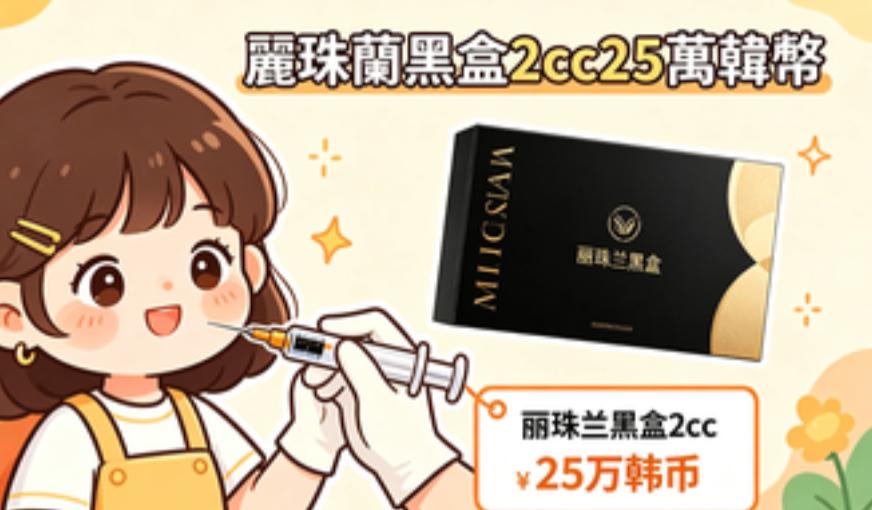
I. The 2026 micro-treatment price list for South Korea is released! Rejuran PN 2cc starts from 250,000 South Korean won – price comparisons for areas in Gangnam, Hongdae, and Myeongdong.
1. Rejuran PN Healer, 2 centum core: Between 250,000 and 350,000 Korean won in Gangnam District; minimum price of 100,000 to 150,000 Korean won in Busan/Hongdae.
Rejuran PN is considered the “national essence” of South Korea’s aesthetic medicine industry. Its key ingredient, PN polynucleotides, are derived from salmon DNA and are primarily used for deep tissue repair, overall facial tightening, and anti-aging effects. According to the latest price list released in 2026, at reputable large Dermatology clinics in Gangnam such as THE BEAUTY and Cheongdam CHEONGDAM ANZ, a 2-centum core package of Rejuran PN costs between 250,000 and 350,000 South Korean won; however, in areas with higher foot traffic, such as Busan and Hongdae, the price can drop to as low as 100,000 to 150,000 South Korean won. When purchasing at lower prices, it is important to be cautious to ensure that the product is genuine and of sufficient quantity – packages priced below 100,000 South Korean won are likely to be diluted versions or non-original products.
2. The price of 1 centum core in the white box is approximately 250,000 Korean won for eye areas, while it is around 280,000 Korean won for acne-prone skin. The prices of all these products are fully disclosed.
Apart from the Black Box, the iRejuran 1cc (regeneration, fine wrinkle improvement) set for eye area repair, Dark circle treatment, and Tear trough correction costs approximately 250,000 Korean won (around ¥1,350); the Blue Box (acne scar repair, Pore tightening) 1cc set costs around 280,000 Korean won (about ¥1,512). Some clinics offer Rejuran packages; for example, the 4cc Black Box package at CHEONGDAM ANZ is only 3,900 yuan, which is more cost-effective than purchasing the individual treatments separately, and it also includes a post-treatment soothing mask. In general, prices are higher in the Gangnam area but more reliable; those in Hongdae and Myeongdong are cheaper, but customers should be cautious when choosing.
3. Comparison of domestic prices: In China, the price of a 2-centum core black box device ranges from approximately ¥2,980 to ¥6,000; in South Korea, the cost is reduced by 50% to 70%.
In South Korea, the price for a 2-centum core Rejuran PN treatment at regular medical aesthetics institutions typically ranges from 2,980 to 6,000 yuan. Even if you include the cost of airfare (about 1,500 to 3,000 yuan round-trip), going to South Korea for a Rejuran PN treatment along with other procedures can result in savings of up to 50% to 70% for individual treatments. For example, if the cost of a treatment in Gangnam District is 250,000 South Korean won (approximately 1,350 yuan), the savings compared to the lowest domestic price of 3,000 yuan amount to 1,650 yuan.
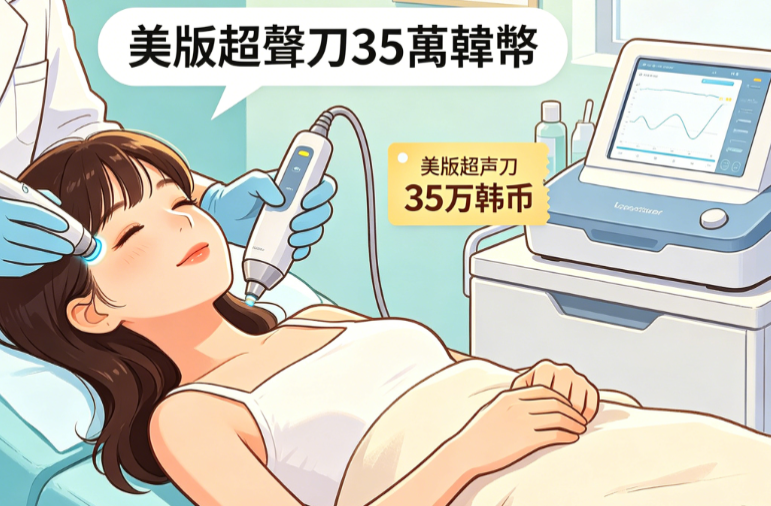
II. The 2026 micro-plastic surgery price list for South Korea is now available! Detailed prices for using the Ulthrea HIFU device for whole-face treatments, targeted areas, or 100 treatment sessions are listed below.
1. The Ulthrea, the American version of the HIFU device, costs starting from 350,000 Korean won per 100 treatments. For a full face treatment, the total cost ranges from approximately 1.1 million to 2 million Korean won.
The Ulthrea is an FDA-approved, non-invasive gold standard for SMAS lifting treatments. According to the price list released in 2026, the cost at reputable institutions in Gangnam ranges from 300,000 to 400,000 Korean won per 100 treatments; a full-face treatment (including the Forehead, mid-to-lower face, and jawline) usually requires 300 to 600 treatments, with a total cost of approximately 1.1 million to 2 million Korean won (equivalent to around ¥5,940 to ¥10,800). For targeted treatments, the cost is as follows: jawline + Double Chin treatment ranges from 800,000 to 1.5 million Korean won (about ¥4,320 to ¥8,100), while neck lifting treatment costs around 1 million to 2 million Korean won (approximately ¥5,400 to ¥10,800).
2. Differences and price differences between the second-generation Ulthrea (Ultherapy Prime) and the first-generation model
Since 2024, the second-generation Ulthrea introduced in South Korea has seen significant improvements in image clarity and energy delivery efficiency. According to data released by THE BEAUTY Dermatology, the first generation costs 300,000 South Korean won per 100 treatments, while the second generation costs 400,000 South Korean won per 100 treatments, representing a difference of approximately 100,000 South Korean won per 100 treatments. In terms of actual experience, the second generation results in a approximately 30% reduction in treatment time, less discomfort, and a longer-lasting effect. Those with sufficient budget are advised to opt for the second generation directly.
3. The American version vs the Korean version of HIFU: One is an FDA-certified original product, while the other is a locally manufactured OEM version.
The Korean version of the HIFU device costs only approximately 100,000 Korean won (about ¥540) per treatment, which is roughly one-third of the price of the American version. However, the key difference lies in the technology used: the American version utilizes real-time ultrasound visualization to accurately determine the position of the SMAS layer, ensuring that the energy is delivered at the correct depth; the Korean version, on the other hand, does not offer this visual guidance and relies entirely on the doctor’s experience. In terms of duration of effects, the American version provides results that last for about 1 to 1.5 years, while the Korean version yields results lasting around 6 to 8 months. The price difference reflects these technological differences, and it is recommended that those seeking anti-aging and lifting treatments opt for the American version.

III. The 2026 micro-treatment price list for South Korea is released! A comprehensive analysis of the entry-level version of Potenza, the gold-colored Potenza, priced at 149,000 South Korean won.
1. The introductory price for Potenza starts at 149,000 Korean won, while the premium full-face version ranges from 350,000 to 390,000 Korean won.
Potenza, also known as RF Microneedling, is the most popular treatment for Pores and acne scars in South Korea in 2026. According to the latest price list, the introductory version of Potenza (basic probe, single area treatment) costs as little as 149,000 South Korean won (approximately ¥804), and is mainly designed to address local issues such as enlarged Pores on both sides of the nose. The standard and premium versions for full-face treatment range from 350,000 to 390,000 South Korean won (about ¥1,890 to ¥2,106), and these treatments use a combination of multiple probes (N-25/I-25/CP-25 Pumping) to provide comprehensive improvements for Pores, acne scars, and skin texture throughout the face.
2. Price comparison of Potenza at different clinics: VSline costs 260,000 yuan, Cheongdam Elev costs 340,000 yuan, and beauty pleasure costs 600,000 yuan.
There is a significant difference in the prices of Potenza treatments at mainstream Dermatology clinics in Gangnam: VSline Dermatology charges approximately 260,000 Korean won (about ¥1,404), Cheongdam Elev Dermatology charges around 340,000 Korean won (about ¥1,836) including a specialized probe, while Meile Beauty Pleasure’s Potenza probe package costs about 600,000 Korean won (about ¥3,240). The price differences are mainly due to the type and number of probes used (basic probes versus multi-functional probe packages) and whether post-treatment recovery management services are included. The entry-level package, priced at 149,000 Korean won, usually consists of a basic probe and short-term local treatments, making it suitable for first-time users.
3. The combined package of Potenza and HIFU costs 880,000 Korean won, offering approximately 15% savings compared to ordering them separately.
Some clinics offer a combined package of Potenza and HIFU, with a total price of approximately 880,000 Korean won (about ¥4,752). If booked separately, the cost usually exceeds 1,040,000 Korean won. This combined package not only saves money but also achieves a more ideal synergistic effect: HIFU is used first for deep SMAS lifting, followed by Potenza to improve the condition of Pores in the epidermal layer. This one-time treatment provides comprehensive anti-aging benefits, covering every level of the skin – from the underlying structures to the Pores. In 2026, this combined package will become increasingly popular. It is recommended to inquire directly about this package during consultations.

IV. Release of the 2026 South Korea Micro-Beauty Treatment Price List! Latest quotes for Thermage, Botox, Filler, and Glow treatments.
1. For the Thermage FLX full-face treatment with 600 treatment sessions, the price ranges from 1.49 million to 2.1 million Korean won. There is a significant difference between the American version and the Korean version.
The American version of the Thermage FLX, with 600 treatments for the entire face, is priced between 1.49 and 2.1 million South Korean won in Gangnam (approximately ¥8,046 to ¥11,340), while the version performed by the chief physician specifically for the eye area can cost over 2 million South Korean won. The Korean version of Oligio, on the other hand, costs only 600,000 to 750,000 South Korean won (about ¥3,240 to ¥4,050), which is less than half the price of the American version. While the American FLX features AccuREP intelligent energy adjustment technology and CPT comfortable pulses, there is a noticeable difference between the two versions in terms of durability of results and comfort level. Thermage is one of the treatments in South Korea that are most prone to having the number of treatments manipulated; therefore, it is essential to verify during consultation that the number of treatments and the probes used are genuine original products.
2. Botulinum toxin in South Korea: Botox costs approximately 80,000 to 120,000 South Korean won per treatment area, while Letybo costs around 50,000 to 70,000 South Korean won per treatment area.
The price of botulinum toxin in South Korea is significantly lower than that in China: in the United States, Botox costs approximately 80,000 to 120,000 South Korean won per injection (about ¥432 to ¥648), while the local brand Letybo in South Korea costs around 50,000 to 70,000 South Korean won per injection (about ¥270 to ¥378). In China, the cost of Botox per injection is usually between 1,500 and 3,000 yuan, whereas in South Korea it is only one-fourth to one-third of this amount. If all three areas – the furrows between the eyebrows, the crow’s feet, and the Forehead – are treated in South Korea, the total cost is approximately 240,000 to 360,000 South Korean won (about ¥1,300 to ¥1,944), while in China it would cost 5,000 to 9,000 yuan.
3. Price list for Filler/glow injections and other treatments
| Project | Specifications | Korean won price | Around RMB | Domestic reference prices |
|---|---|---|---|---|
| Basic glow injection | 2 centum cores | 80,000 to 150,000 | ¥432–810 | ¥800 to ¥2,000 |
| Juvederm Filler | 1 unit | 430,000 | ¥2,322 | ¥6,000 to ¥8,000 |
| Juvelook Glow Effect | 1 centum core | 88,000 to 200,000 | ¥475 to ¥1,080 | ¥2,000 to ¥3,500 |
| Asce+ Exosomes glow therapy | 5 centum cores | 550,000 | ¥2,970 | ¥5,000 to ¥8,000 |
| Juvenile needle fillers | 1 centum core | 750,000 | ¥4,050 | ¥8,000 to ¥12,000 |
| Bubble cleansing | Single session | 17,000 | ¥92 | ¥200 to ¥400 |
| LDM Droplet Lifting | Single session | 80,000 | ¥432 | ¥600 to ¥1,000 |
Note: The above prices are reference rates for regular Dermatology clinics in Gangnam District, Seoul, South Korea, as of June 2026, and do not include a 10% VAT. The exchange rate used is approximately 10,000 South Korean won = 54 RMB.
V. The 2026 micro-surgery price list for South Korea has been released! Why are the costs in South Korea so much lower than those in China? Three main reasons.
1. Direct purchase from the country of origin: Thermage/HIFU/Potenza are available in South Korea without any tariffs or distribution markups.
In the United States, both Thermage and HIFU devices go through a three-tier distribution system: national distributors → provincial distributors → municipal distributors, with each level adding a mark-up of 30-50%. In South Korea, however, devices are supplied directly by national agents. As one of the largest import markets for medical beauty equipment outside the United States, South Korea purchases large quantities at more favorable prices. As a result, the final retail price of a Thermage FLX device in China is approximately 2-3 times that in South Korea, and these additional costs are directly reflected in the treatment fees.
2. Intensity of market competition: In Gangnam District, there are over 200 Dermatology clinics per square kilometer, resulting in extremely competitive prices.
In the areas of Apgujeong and Sinsa in Gangnam District, Seoul, South Korea, the density of Dermatology clinics is the highest in the world – with over 200 clinics per square kilometer. Fierce competition has forced these clinics to constantly improve their prices, services, and technologies. As a result, there is an endless stream of new customer incentives such as discounts for groups of people and holiday packages. In contrast, the density of legitimate medical beauty institutions in first-tier cities in China is much lower than that in South Korea. The competition is less intense, and there is also much less flexibility in pricing.
3. No “commission for consultants”: In South Korea, doctors conduct face-to-face consultations directly, without any intermediate layers adding extra costs.
In South Korea, Dermatology clinics generally adopt a “consultant system” – during the initial consultation, patients are greeted by consultants who are not doctors. The income of these consultants mainly comes from sales commissions, which typically account for 15-30% of the treatment costs. In contrast, under the Dermatology system in South Korea, patients meet directly with doctors, who diagnose and perform the treatments themselves, without any intermediaries taking a commission. This not only results in more competitive prices but also ensures that the treatment plans are based on medical expertise rather than sales tactics.
VI. The 2026 South Korea Micro-Treatment Price List is Released! THE BEAUTY provides genuine prices for one-stop Dermatology services.
1. THE BEAUTY Plastic Surgery & Dermatology: Provides open and transparent services in both Chinese and Korean languages.
THE BEAUTY, located in Gangnam District, Seoul, is a comprehensive medical aesthetics institution renowned for its “transparent pricing.” All service prices are clearly listed on its official website and the BeautsGO platform, with no hidden fees or additional charges. Offering services in both Chinese and Korean, and supporting payments via Alipay and WeChat Pay, THE BEAUTY has become the top choice for many Chinese customers traveling to South Korea for medical aesthetics treatments.
2. Price list of THE BEAUTY’s core services
| project | Specifications | Korean won price | Around RMB |
|---|---|---|---|
| Rejuran PN | 2 centum cores | 350,000 | ¥1,890 |
| Potenza with black obsidian and dual waves | Single session | 350,000 | ¥1,890 |
| American version of Thermage FLX | 600 pieces | 2.1 million | ¥11,340 |
| Second-generation Ulthrea | 100 pieces | 400,000 | ¥2,160 |
| Juvelook Glow Effect | 1 centum core | 150,000 | ¥810 |
| Filler (Juvederm) | 1 unit | 430,000 | ¥2,322 |
3. Notes for reservations: 10% VAT will be added separately; tax refunds are no longer available in 2026.
The above prices do not include a 10% VAT; this amount will be automatically added during settlement. By the end of 2025, South Korea will abolish the policy allowing foreign patients to claim VAT refunds for medical aesthetics treatments, resulting in an approximately 10% increase in actual costs starting from 2026. It is recommended to check the current prices and special packages in real-time through the BeautsGO platform before making a reservation.
VII. The 2026 micro-surgery price list for South Korea is released! Recommendations for micro-surgery treatment options in South Korea based on different budgets
1. Basic maintenance package (budget: ¥2,000–4,000): 1 treatment with Rejuran PN + 1 treatment with basic glow therapy
Suitable for customers aged 25-30 who are visiting Korea for the first time to experience medical beauty treatments. The cost of Rejuran PN 2 centum core (approximately ¥1,350) plus basic hyaluronic acid injections 2 centum core (approximately ¥540) amounts to around ¥1,890 in total. Adding round-trip airfare (approximately ¥1,500-2,500), the total budget can be controlled within ¥3,400-4,400. This treatment session can improve skin quality, brighten the complexion, and provide initial anti-aging effects, with the results lasting for approximately 3-6 months.
2. Firming and Anti-aging Package (budget: ¥8,000–12,000): 400 treatments with Ulthrea + 1 application of Rejuran PN
Suitable for customers aged 30-40 who experience significant skin laxity and fine lines. The Ulthrea (400 treatments, approximately ¥8,640) combined with 2 centum core of Rejuran PN (approximately ¥1,350) results in a total treatment cost of around ¥10,000. The HIFU helps to tighten the lower jawline and define facial contours at a deeper level, while Rejuran PN repairs and revitalizes the epidermis. With this combined approach, the V-shaped face effect can last for 1-1.5 years after a single treatment.
3. Ultimate package (budget of ¥15,000 and above): Thermage FLX with 600 treatments + HIFU + Rejuran + collagen glow therapy
Suitable for customers aged 35 and above who have comprehensive anti-aging needs, this package offers a full range of anti-aging treatments including “apparatus therapy + injections.” The cost includes 600 sessions of Thermage FLX (approximately ¥11,340), 400 sessions of HIFU (approximately ¥8,640), Rejuran PN (approximately ¥1,350), and Asce+ Exosomes glow treatment (approximately ¥2,970), for a total treatment fee of around ¥24,300. In China, a single session of Thermage FLX alone costs ¥25,000 to ¥35,000, so this four-in-one package is actually cheaper in South Korea.
VIII. Release of the 2026 Micro-Surgery Price List in South Korea! Six Essential Tips to Avoid Common Mistakes Before Going to South Korea
1. Low-price traps: Be cautious if the price of Rejuran is lower than 100,000 yuan, the price of HIFU is lower than 250,000 yuan per 100 treatments, or the price of Thermage is lower than 1.2 million yuan.
Any offer that is more than 30% lower than the market average is likely to have one of the following problems: the probes are reused (the American version of these probes is a disposable item, with a cost of approximately 80,000 to 100,000 South Korean won per unit); the product has been diluted or is not genuine (the genuine Rejuran PN injections cost around 150,000 to 180,000 South Korean won per unit); or the number of treatments provided has been reduced to cut costs (for example, a Thermage device labeled as providing 600 treatments may actually only deliver 400). Remember this: while prices in South Korea are indeed lower than in other places, anything that is excessively cheap is likely to be problematic.
2. VAT and Tax Refunds: Starting from 2026, tax refunds for foreign individuals undergoing medical beauty treatments will be abolished, and the 10% VAT will need to be paid by the patients themselves.
By the end of 2025, South Korea officially abolished the policy allowing foreign patients to claim a VAT refund for medical aesthetics treatments. Starting from 2026, all foreign customers were required to pay a 10% VAT. This means that a Rejuran PN package labeled as “350,000 South Korean won” actually costs 385,000 South Korean won when the bill is settled. Some clinics include the VAT in their prices, while others do not; it is essential to confirm this during the consultation process.
3. Additional costs for translation: Using third-party translators or intermediaries may result in an additional fee of 15-30%.
Prices booked through unofficial channels, such as WeChat intermediaries or travel agencies, often include a commission of 15-30%. The best way is to book directly through legitimate platforms like BeautsGO or by contacting the clinic’s official Kakao or WeChat account. Most large and medium-sized Dermatology clinics in Gangnam District have Chinese-speaking consultants available for free translation services.
4. Director-in-person operation vs. assembly-line process: Determining whether the operator represents the director or is just a rotating doctor on duty
The effectiveness of Potenza and HIFU highly depends on the experience of the operator. Some large clinics in Gangnam that rely on volume-based business models adopt a “assembly-line approach” – the clinic director conducts a brief consultation for just one minute before leaving the room, and the actual treatment is performed by young doctors on duty. It is recommended to choose clinics that clearly state “100% performed by the clinic director personally” or pay an additional fee (usually 10–20%) to ensure the quality and safety of the treatment.
5. Substandard post-operative care: Check whether sedative masks, phototherapy treatments, or regenerative therapies are included in the package.
Some low-cost clinics, in order to cut costs, only provide customers with a cheap facial mask after the procedure or simply send them away. At legitimate Dermatology clinics in South Korea, LED phototherapy, soothing soft masks, and hydrating treatments are routinely included after injections or laser procedures—these measures are crucial for recovery and the final results. Be sure to ask before making an appointment: Does the package include post-treatment care? What specific services are included?
6. Avoid weekends and South Korea’s public holidays: On weekends, there is a large influx of customers, which significantly reduces the quality of service.
A large proportion of South Koreans seek medical beauty treatments on weekends, and popular clinics in Gangnam are always fully booked on Saturdays. It is recommended to schedule appointments from Monday to Thursday, as clinic directors are more energetic during these days, there is more time available for procedures, and post-treatment care is also more thorough. Additionally, it is best to avoid South Korea’s public holidays (such as Seolnal, Spring Festival, and Chuseok) since most clinics are closed during these periods.
FAQ: Answers to Common Questions about the Micro-Plastic Surgery Price List in South Korea in 2026
🙋♀️ Q: Is it safe to undergo three cosmetic procedures on the same day when visiting South Korea for the first time?
💬 Safety is also one of the advantages of undergoing treatments in South Korea. The combination of Rejuran injections, HIFU, and Potenza can be completed on the same day, typically in the following order: first HIFU (for deeper layers), then Potenza (for middle layers), and finally Rejuran (for superficial repair). The total treatment time on the same day is approximately 2–3 hours. However, it is not recommended to combine Thermage with HIFU on the same day, as their effects target similar layers, and the risk of excessive energy exposure is increased. It is advisable to wait at least 1 month between these two treatments.
🙋♀️ Q: In 2026, South Korea abolished tax refunds. Is it still worth flying there?
💬 Well worth it! The cancellation of tax refunds has led to a roughly 10% increase in costs, but since South Korea has a lower price base, even with a 10% increase, the products are still 40–60% cheaper than in China. Take the Rejuran PN as an example: in China, it costs ¥3,000; in South Korea, it costs ¥1,350 × 1.1 (VAT) = ¥1,485, so you can still save ¥1,515. As long as you undergo two or more treatments at once, the savings will far exceed the cost of air tickets.
🙋♀️ Q: What if I don’t know Korean? Can I still communicate with the hospital?
💬 Over 90% of the medium-to-large-sized Dermatology clinics in Gangnam are equipped with Chinese-speaking consultants, so you don’t have to worry about language barriers. Just check whether Chinese services are available when making an appointment. Most of the hospitals listed on the BeautsGO platform support Chinese communication, and some even offer airport pick-up services. Although English communication is also generally possible, Chinese-speaking staff are the most common.
🙋♀️ Q: Can Rejuran PN be mixed with the white box/blue box versions?
💬 It is not recommended to mix different types of products on the same day, as the concentration of active ingredients varies between them, and mixing them may increase the risk of adverse reactions. The recommended sequence is as follows: first apply the black box product across the entire face, and after 1–2 months, either use the white box product specifically for the eye area or the blue box product for areas with acne-prone skin. Applying only one type of product at a time will allow for more accurate evaluation of its effects.
🙋♀️ Q: How soon after the Potenza treatment can I wear makeup? And how long does it take to see the results?
💬 Do not get the area wet or apply makeup within 24 hours after the procedure. Light makeup can be applied on the 2nd to 3rd day once the redness subsides. Normal makeup use can be resumed after the slight peeling period ends on the 5th to 7th day. Effect timeline: Pores begin to appear smoother on the 7th day; collagen production becomes visible to the naked eye by the 30th day; the maximum benefits are achieved by the 90th day (improvements in skin texture, firmness, and acne scars). The effects of Potenza last for approximately 6 to 12 months; it is recommended to complete 3 sessions as part of a treatment course.
🙋♀️ Q: Which one is more suitable for me – Thermage FLX or HIFU?
💬 Simple rule of thumb: For loose skin, choose HIFU; for sagging skin, choose Thermage. HIFU is ideal for lifting the SMAS layer and addressing issues such as blurred jawlines, Double Chin, and sagging Apple Zone; Thermage, on the other hand, is better for tightening the dermis and treating problems like overall skin laxity, enlarged Pores, and deepened Nasolabial Fold Correction. Those under 35 years old are recommended to primarily use HIFU, while those over 35 years old should consider using both treatments (with a one-month interval between them).
📱 Still hesitating about which clinic to c
hoose?
Open BeautsGO and view the latest prices from over 300 Dermatology clinics in South Korea for 2026.
Supports Chinese
-language reservations, real-time price inquiries, and access to genuine customer reviews 👇
🔥 立即查詢 · 2026 韓國最新價格 →
Free reservation · No hidden fees · Full Chinese-language service throughout the process